AI Intent Architecture
Stop asking AI to do better. Learn to build the system where it works with purpose.
In three days, you’ll go from operating prompts to designing AI solutions for real business problems—with identity, channels, agents, tools, security, and measurement. Not to become a programmer, but to become solutions architect.
No account needed · opens directly in your browser · your progress, questions, and notes stay only on your device.
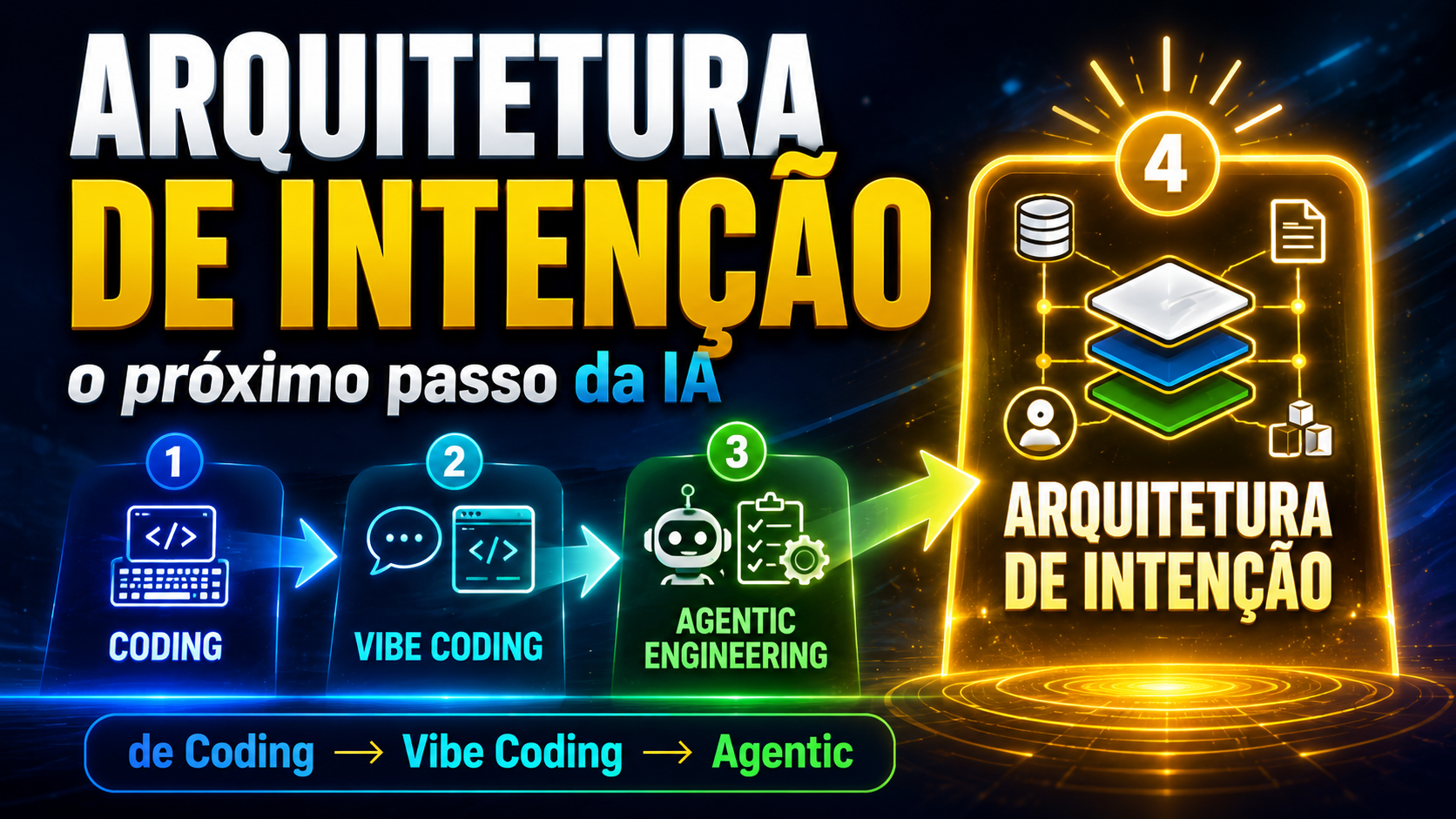
From prompt operator to intent architect
This course isn’t about "learning AI" or "programming." It’s about developing people who can build AI-powered solutions inside companies.
The person stops asking "what prompt should I use?" and starts asking questions "what system do I need to build to solve this problem?"
Before creating agents, prompts, or automations, you build the mental, technical, and strategic infrastructure where AI will operate. An AI solution isn’t a chatbot—it’s a living system, with intention, identity, channels, services, security, and evolution.
Without architecture, AI becomes noise
- ✗AI without clear intent becomes attempt.
- ✗AI without context becomes guess.
- ✗AI without rules becomes risk.
- ✗AI without a channel becomes standalone tool.
- ✗AI without measurement becomes illusion of productivity.
With architecture, it becomes solution infrastructure.
J.A.R.V.I.S — six pillars of a living solution
The Jarvis metaphor: not a chatbot, but an operational entity with a soul, rules, channels, services, agents, tools, and—above all—an intent.
Journey of intent
Every solution starts with clarity: what problem, for whom, and what outcome matters.
System architecture
Channels, services, agents, and skills organized around the purpose.
Rules and responsibilities
Limits, permissions, and safety barriers: what the system can and can’t do.
Results validation
Measure what matters — otherwise, any delivery looks like progress.
Integration with tools
Connect the system to the real world: spreadsheets, CRM, APIs, messaging.
Evolving solution
The system learns, adapts, and improves over time.
The full journey
🧱 Infrastructure and Mindset
The shift in mindset and the lay of the land: folders, terminal, version control, publishing, and the channels through which the system communicates with the world.
- ·The Shift: From Operator to Architect
- ·The Jarvis metaphor
- ·Folders, terminal, and version control
- ·Publish to the world (hosting, VPS, deployment)
- ·Input and output channels
🤖 Building Jarvis
Building the “soul”: identity, rules, services, agents, skills, memory, safety walls, and tools.
- ·Jarvis’s core identity (identity and limits)
- ·Internal services and agents
- ·Skills and memory
- ·Security walls
- ·Tools and integrations
🎯 Real Solution for the Company
From concept to prototype: choose a problem, define the intent, build the workflow, measure the result, and present the solution.
- ·Intent at the center
- ·Map the problem in the company
- ·Design the solution architecture
- ·Functional prototype and measurement
- ·Evolution and presentation
🧭 Who it's for
Everyday people in companies who want to build AI solutions—without becoming traditional programmers or competing with software engineers.
The intention architect looks at a company and asks: Where is there repetition? Where is time being wasted? Where is information disorganized? Where are decisions slow? Where can AI multiply results?
✅ What you’ll know how to do
- ✓Understand a real problem
- ✓Map an intention
- ✓Structure context
- ✓Create the soul of a Jarvis
- ✓Define I/O channels
- ✓Organizing agents and services
- ✓Choose tools
- ✓Create security rules
- ✓Measure results
- ✓Improve continuously
The future doesn't belong to those who know how to ask better.
Belongs to those who know structure better.
A prompt isn’t enough. A tool isn’t enough. An agent isn’t enough. What makes the difference is the architecture—and at the heart of the architecture is intent.