Cinematic direction skill · Claude Code
Your images + narration become film — no AI video
A real director: sees every image, decides on camera, cuts, transitions, music, and effects — and renders deterministically via pixflow.
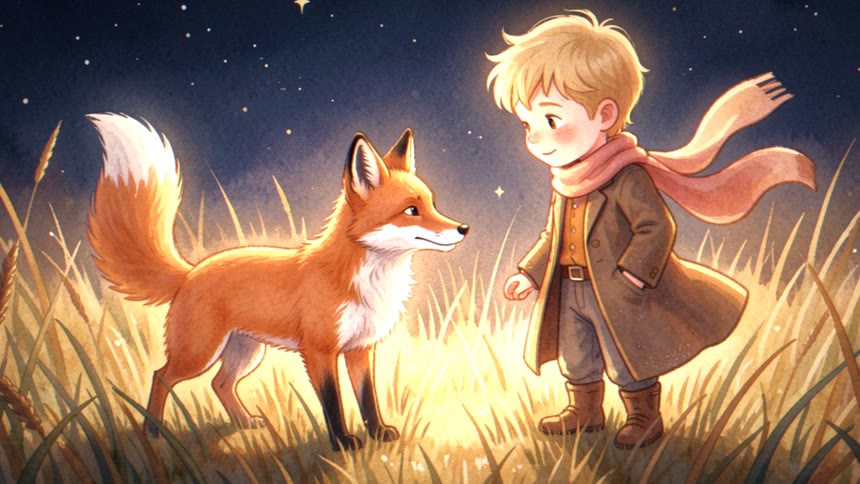
A real director: sees every image, decides on camera, cuts, transitions, music, and effects — and renders deterministically via pixflow.
The images are yours — what the Director adds is cinema: camera movement, editing rhythm, depth, and sound. No frames invented by video AI.
Analyzes with vision: photo or drawing, content, emotion, and the exact point of interest the camera should target. Rich images become 2–4 shots.
18 camera moves + from/to framing, transitions by intent (cut, whip, dip, crossfade), a 3-act arc, and a cliffhanger ending — rules validated in A/B.
Narration controls the timing; music with automatic ducking under the voice, wind, whooshes, and shimmers complete the mix in a single master.
Seven steps, always in this order — the shot breakdown is shown for approval before rendering.
All local and open source. The render engine is pixflow v2.3+ (Depth-Anything-V2 + Three.js + Remotion + FFmpeg).
Clone and check the render engine dependencies.
# check engine deps
cd ~/projetos/pixflow/skill
node cli/pixflow-motion.mjs check-deps
Node ≥18 for the scripts and CLI; ffmpeg/ffprobe for audio and verification.
node --version   # ≥18
ffmpeg -version
Symlink in the Claude Code skills directory.
ln -s ~/projetos/diretor-animacao/skill/diretor-animacao \
~/.claude/skills/diretor-animacaoThe happy path: you provide the materials and approve the shot list; the skill directs and renders.
A folder with images (photos and/or illustrations, ideally ≥1920px) and narration — WAVs per clip, a single WAV, or just the text (the skill generates local TTS).
meu-projeto/
├── img/  s1.png s2.png …      # the images, in story order
└── audio/ s1.wav s2.wav …     # narration by segment (or narracao.txt)
Point to the folder and use a skill trigger. You can request music and effects too.
"~/meu-projeto — vira filme, impactante, com música e efeitos de som"
The skill shows the scene · image · beat · movement · transition · duration table before rendering. Adjust anything you want (or say "direct" to skip approval).
# sample shot list row
c1 · s1 · abertura · pull-out dramático · cut · 6.1s
The narration controls durations; the soundtrack assembly compensates for transition overlaps (never calculate starts by hand).
node scripts/montar-trilha.mjs decupagem.json narracao.wav
The YAML spec (pixflow.movie/v1) is validated and rendered by the engine — same spec, same film, every time.
node cli/pixflow-motion.mjs validate filme.movie.yaml
node cli/pixflow-motion.mjs render filme.movie.yaml filme.mp4
Frame-by-frame brightness checks at boundaries (anti-flicker) and visual inspection of key frames — the film is only delivered after it’s checked.
ffmpeg -ss 6.0 -i filme.mp4 -frames:v 12 \
  -vf "signalstats,metadata=mode=print:key=lavfi.signalstats.YAVG" -f null -
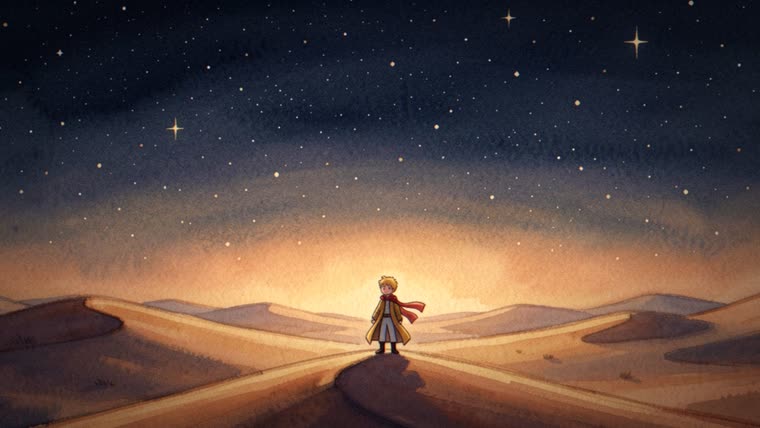
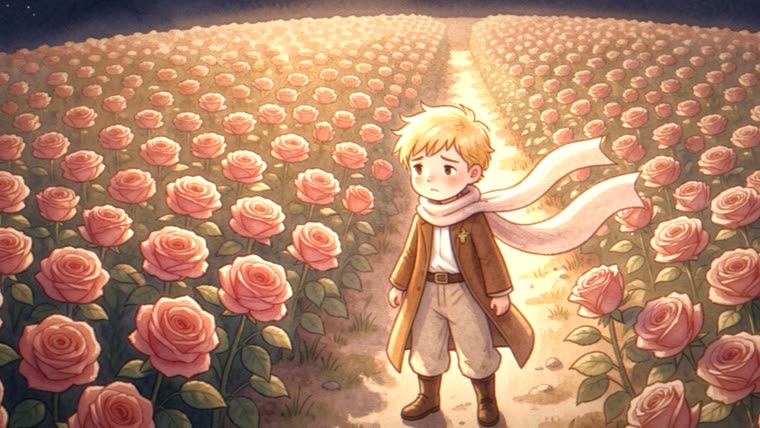
The skill’s first real film: 21 watercolors + 22 narration clips became 26 shots with CC0 music (ducking under the voice), desert wind, whooshes, and star shimmer. Full shot list and lessons →
Built through A/B pilots — every grammar rule was validated with an actually rendered film.