FTH — Humanoid Technology Training · course 3 of 5 · 8 lessons
Whole body: imitate, teleoperate, and obey
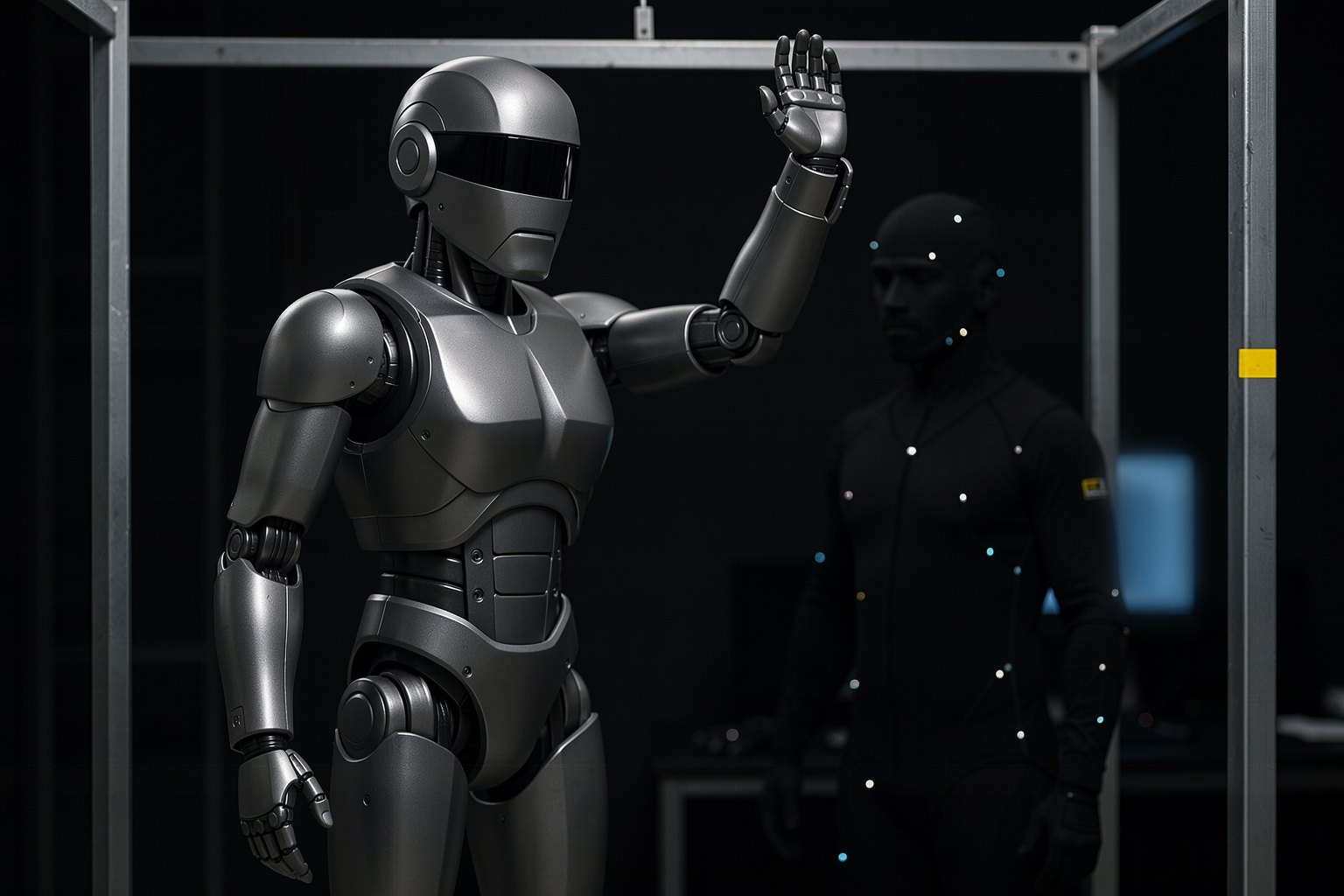
A useful humanoid doesn't just walk: it copies a human gesture, follows a VR operator, and carries out what a VLA tells it to do. In eight lessons you build this layer on the simulated G1: you read motion capture, do the retargeting with GMR, play it back, teleoperate, measure the hand, and check the whole chain. All on CPU, no robot.
- 8lessons
- 120minutes of lessons
- 24exercises with "done when"
- 0third-party data redistributed
The lessons
From the three control layers to the end-to-end project: human motion as data, retargeting, motion tracking, teleoperation, hands, and the command that comes from a VLA.
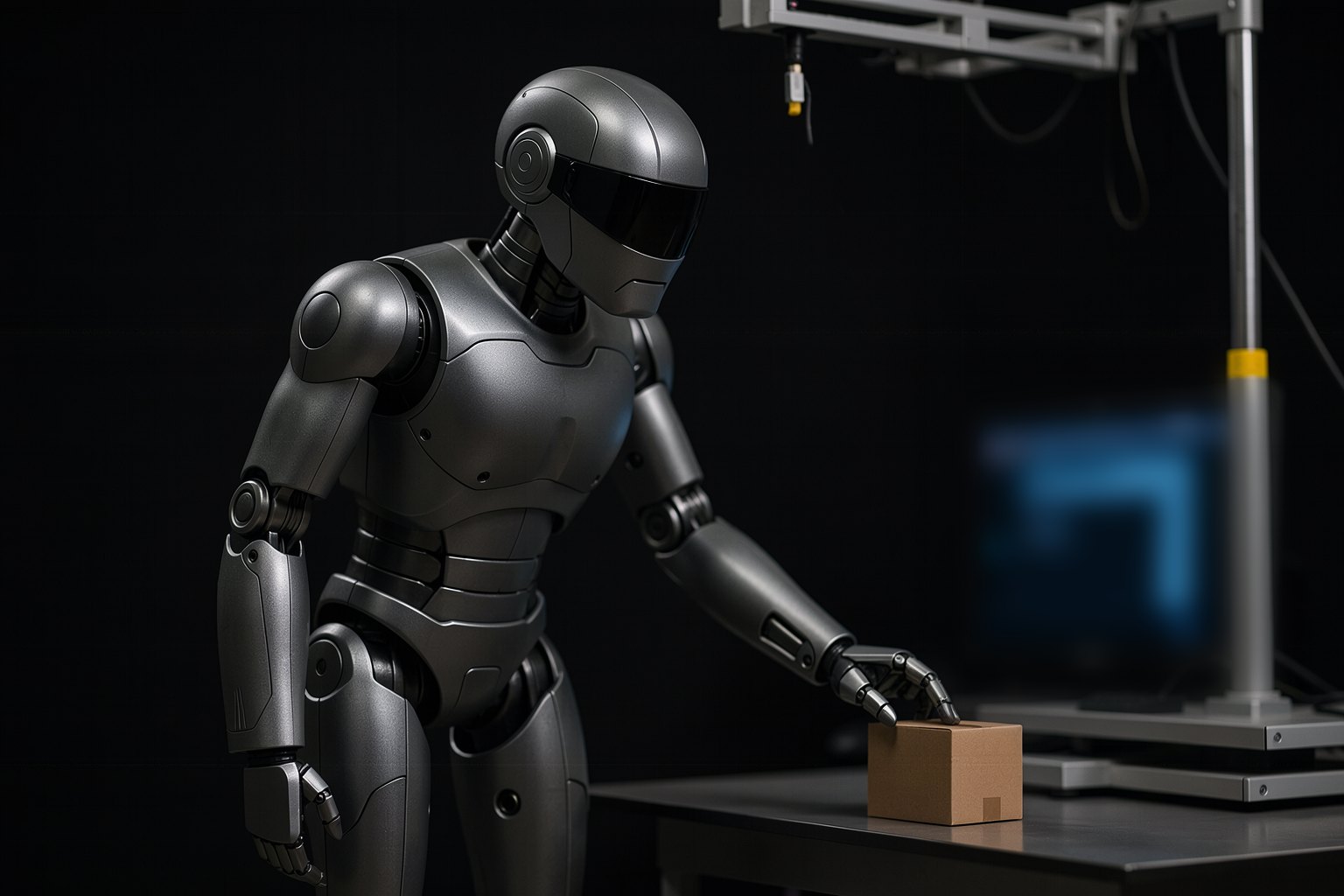 Lesson 1 · 15 minFrom walking to doing: whole-body controlWalking is just the start. To pick up a box, wave, or obey a VLA, the humanoid has to coordinate legs, torso, and arms at the same time, without falling. In this lesson you set up the course workbench and, in a simulation loop, count the three layers that make this happen: who decides, who coordinates the body, and who moves each joint.
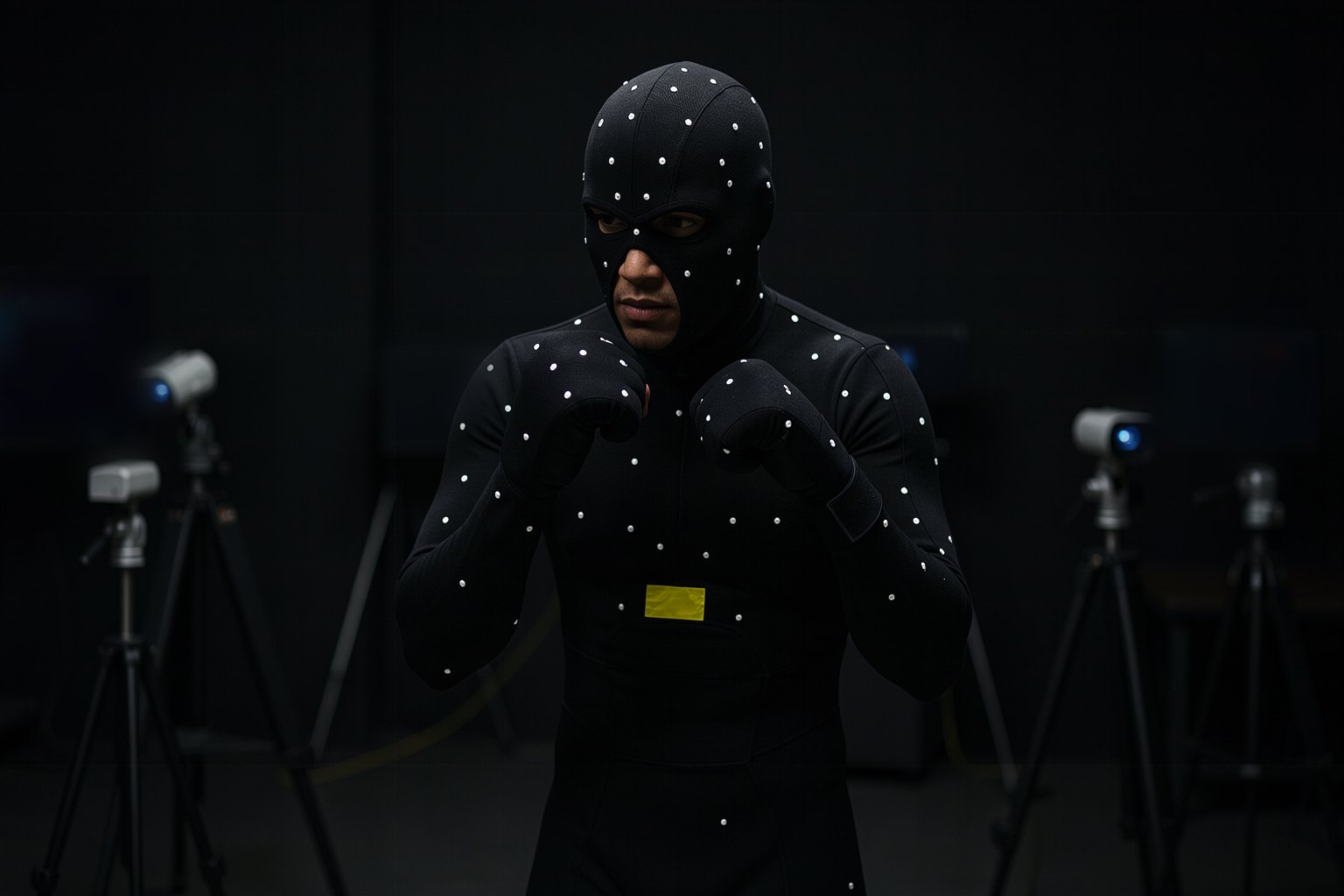 Lesson 2 · 15 minHuman motion as data2026 whole-body policies learn from hours of human motion. Before using that data, you need to know how to read it and whether you are allowed to use it. In this lesson you open a BVH clip, count frames, fps and joints, write a clip of your own, and understand why the course does not redistribute any public dataset.
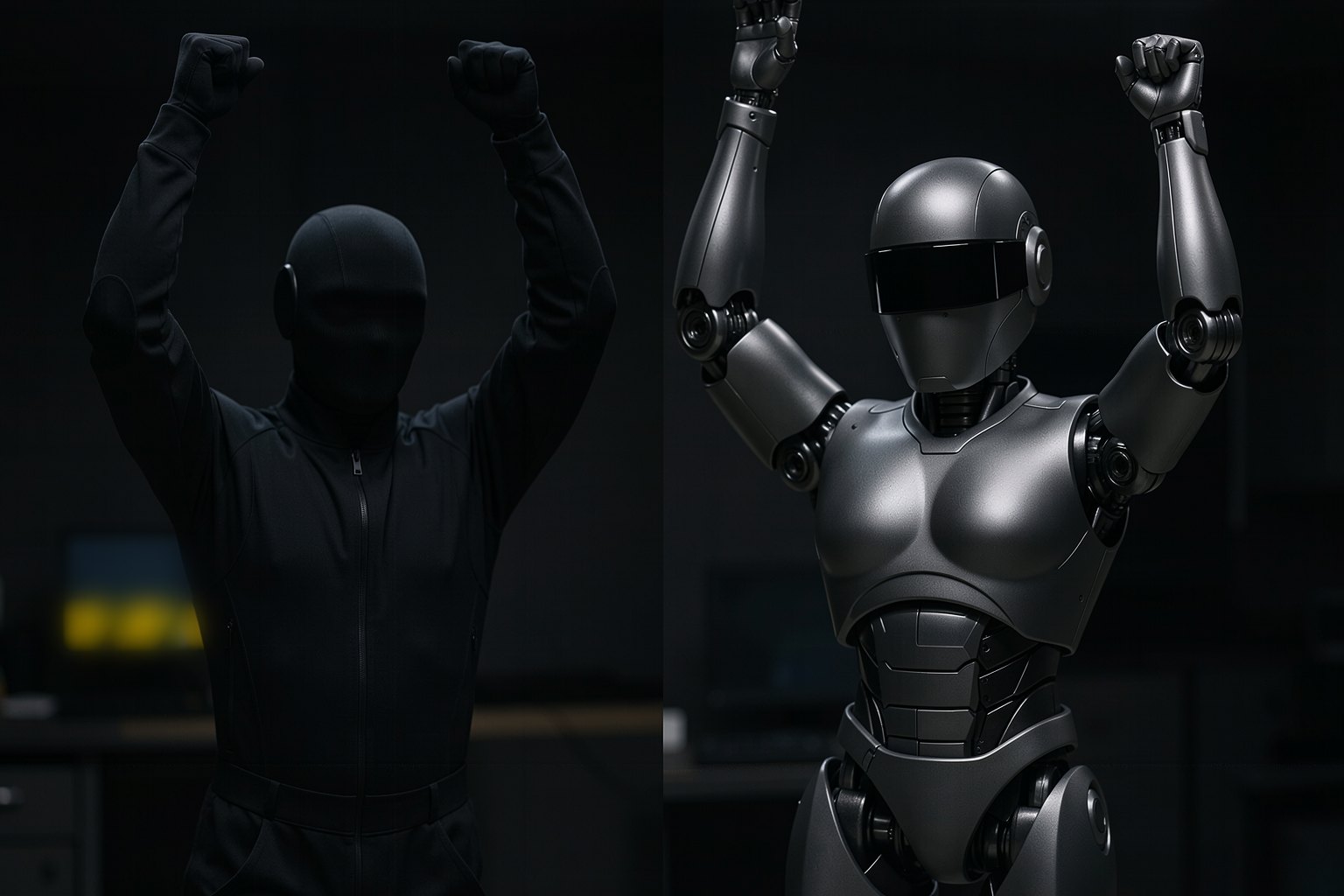 Lesson 3 · 15 minRetargeting: from the human skeleton to the robotA person is 1.70 m tall and has joints the robot does not; the G1 is 1.32 m tall and, in the Menagerie model, has 29 joints with limits. Retargeting is the computation that takes one to the other, frame by frame. In this lesson you install GMR in its own environment, take 10 s of boxing to the G1, and check every frame against the joint limits.
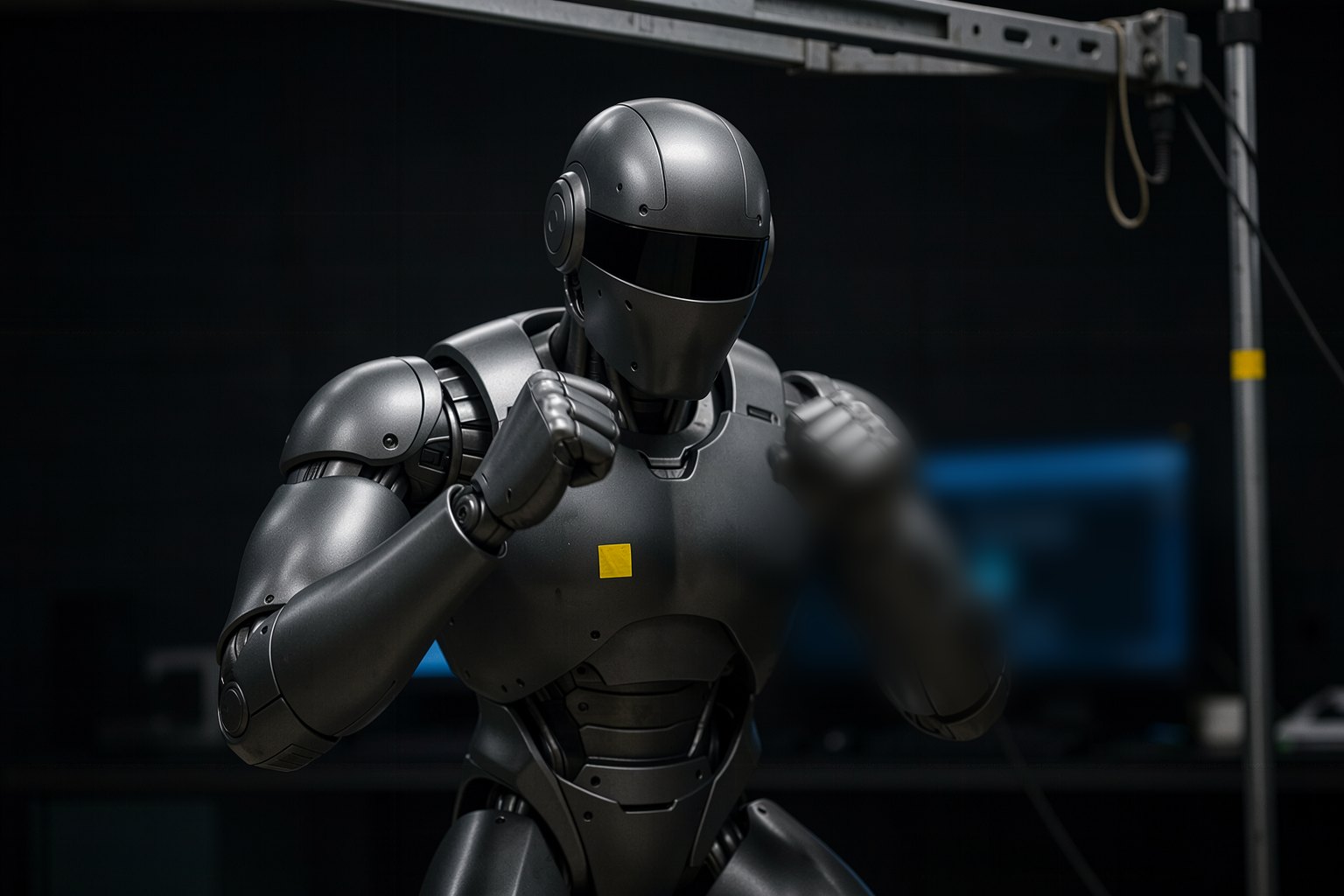 Lesson 4 · 15 minA policy that imitates any motionHaving the motion in the robot's format is not the same as making it perform it. If you send only the angles to the motors, it imitates for a second and falls: nobody is handling balance. In this lesson you play the boxing in MuJoCo with and without a gantry, measure each joint's error, and see what BeyondMimic, GMT and SONIC solve.
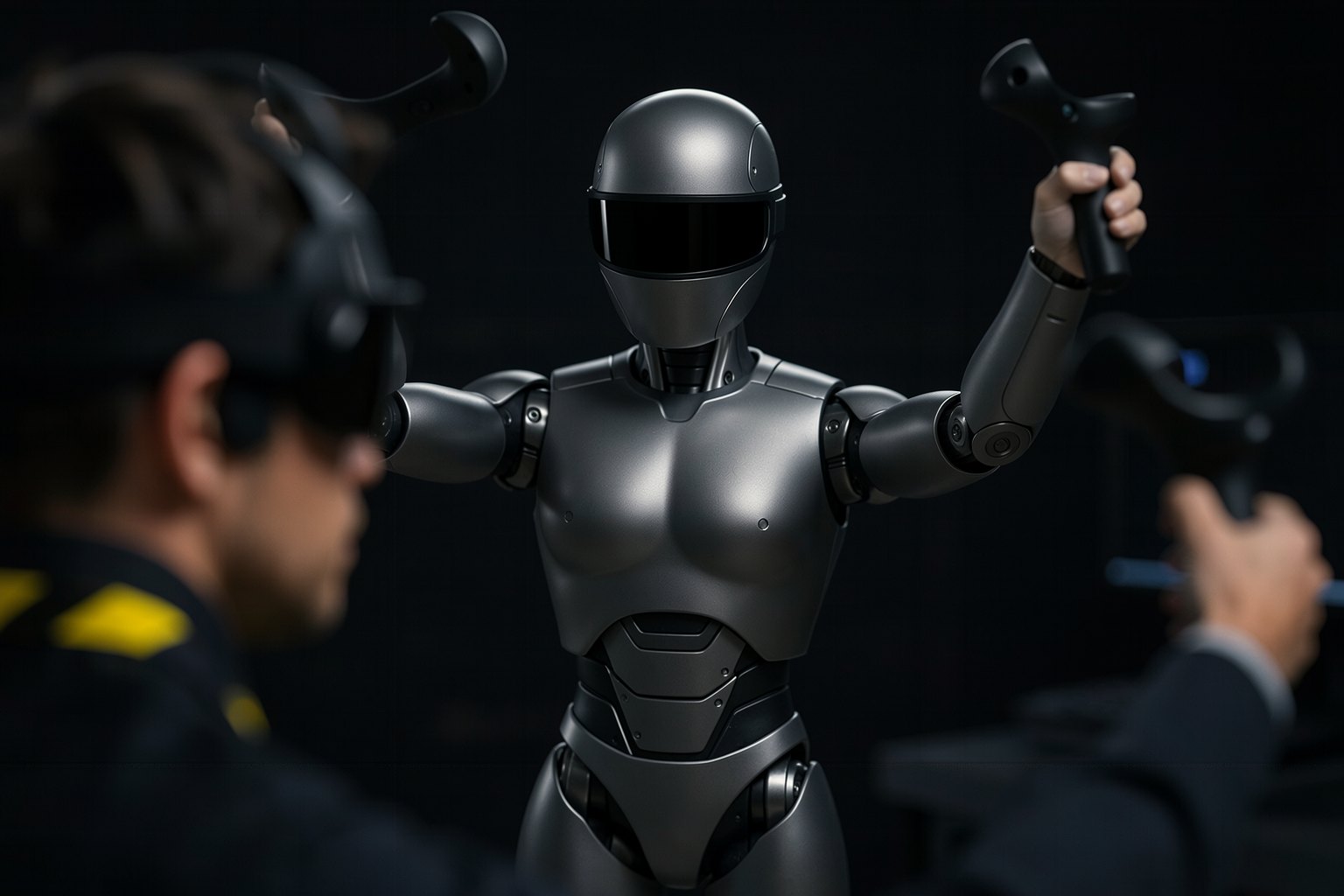 Lesson 5 · 15 minWhole-body teleoperationTeleoperation is the fastest way for a humanoid to do a new task and to collect demonstrations for a VLA. The operator moves their arms in a VR headset and the robot repeats them; delay is what ruins it. In this lesson you teleoperate both of the G1's arms with a script and measure the latency at which everything falls apart.
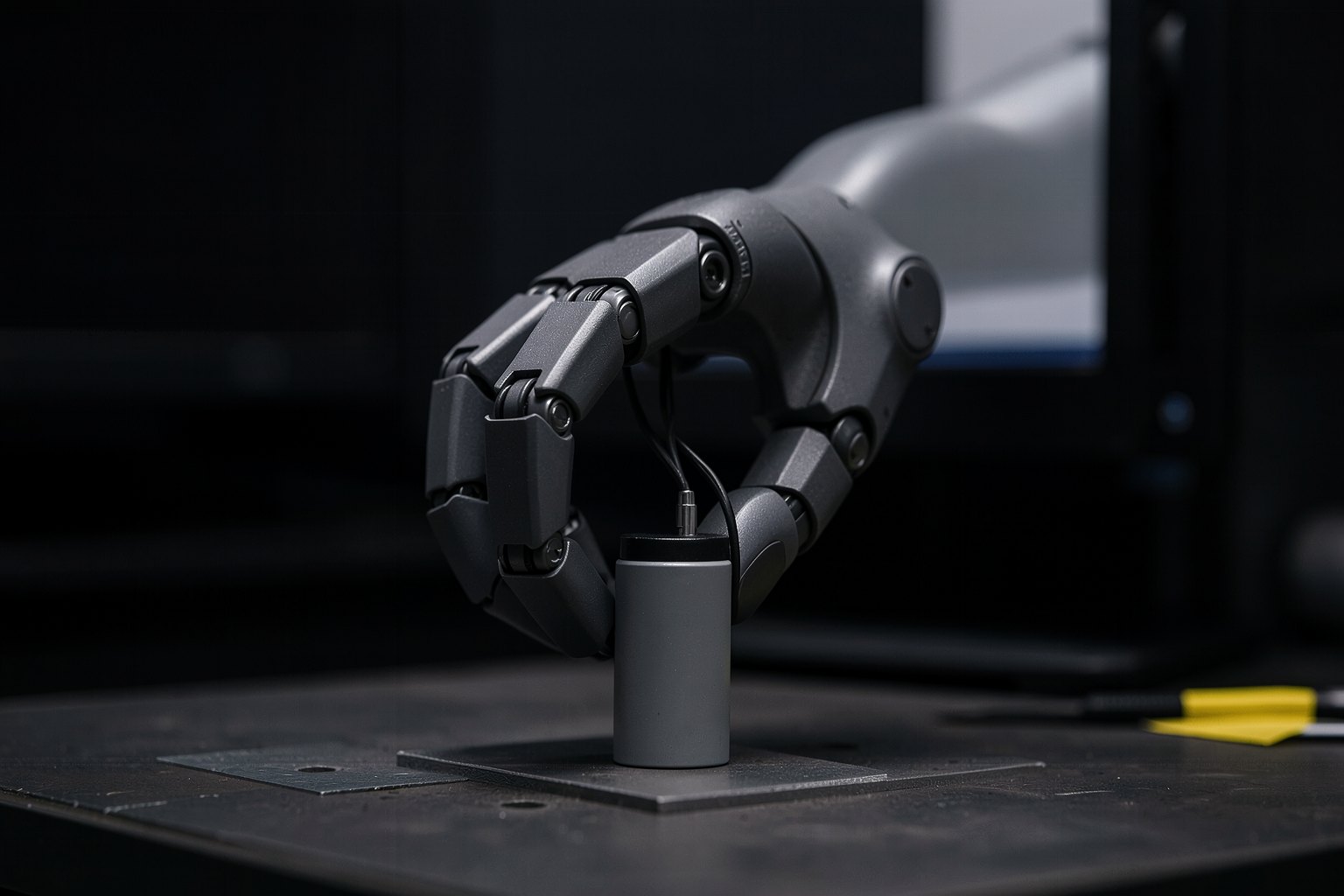 Lesson 6 · 15 minHands: the problem that is still unsolvedThe whole body walks, balances and imitates; when it is time to grasp, everything depends on a hand with few degrees of freedom and almost no touch. In this lesson you count the joints of the G1's hand in the model, compare it with two research hands, and measure a simulated grip, knowing what that number is and what it is not.
 Lesson 7 · 15 minWhen a VLA drives the whole bodyA VLA sees the scene, understands the request, and proposes an action a few times per second. Turning that into safe movement of 29 joints, without falling, is the job of whole-body control. In this lesson you send high-level commands to the simulated G1 and see what it carries out and what it refuses before moving.
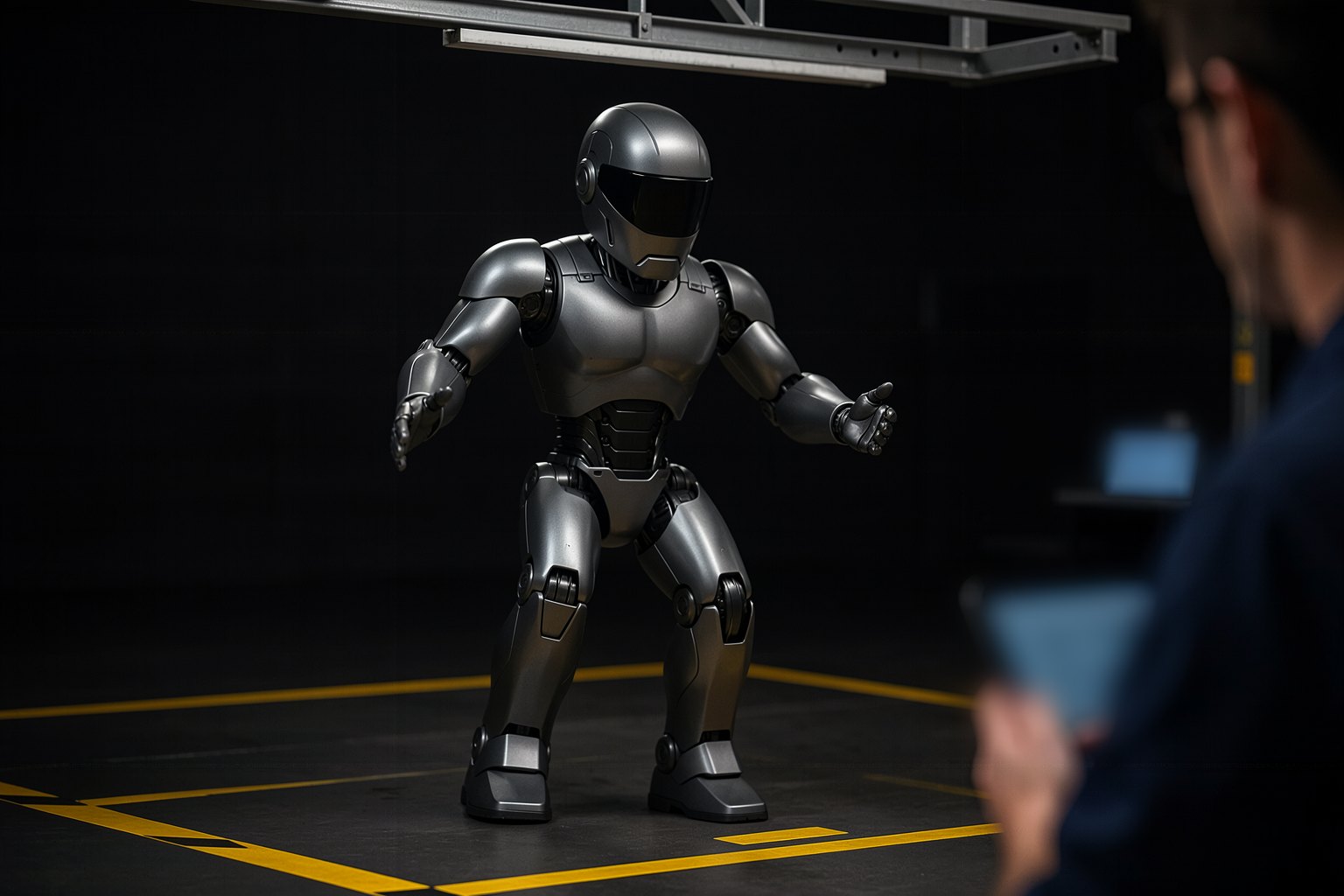 Lesson 8 · 15 minProject: a safe motion, end to endEach lesson left you one piece: clip read, retargeting with no violations, motion tracking measured, safety check. What goes to a robot is the whole chain, in a single movement. In this lesson you run the four steps in sequence, check that they all pass and refer to the same file, and generate your own study plan.
Who it's for
- 1You write Python, have seen ROS 2, and have done (or read) FTH courses 0 to 2.
- 2You don't own a humanoid: the practice runs in MuJoCo, on CPU, in seconds. No GPU needed.
- 3You want to understand what sits underneath a VLA on a legged robot: the layer that executes.
What you'll be able to do
- 1Read a motion capture clip and tell whether you can use it.
- 2Bring human motion to the G1 with GMR, without going past any joint's limit.
- 3Measure why following angles isn't enough, and the effect of latency on teleoperation.
- 4Check a mocap → retargeting → motion tracking → safety chain before sending anything to a robot.