Question 18 · 🧠 Model access and local models
Is access to a provider's cybersecurity program the same as using an uncensored model?
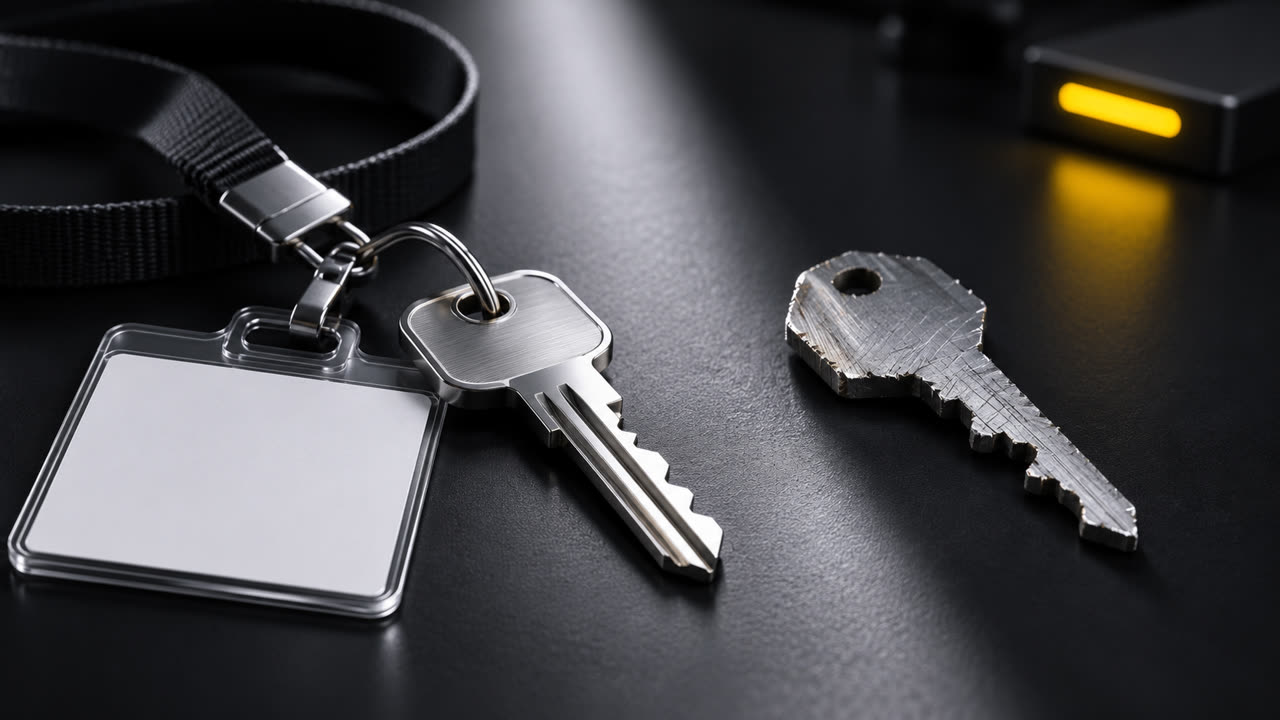
People who work in security sometimes need answers that a regular assistant refuses to provide. There are two ways to get them, with very different risks and responsibilities.
Some AI providers have programs for security professionals: you identify yourself, explain the work, and the provider grants broader use with rules and oversight. An uncensored model has none of that.
In defensive work, be clear about what belongs to you, what the client has authorized, and what you're testing. Don't expect the provider to guess the context behind an ambiguous request.
One practical difference: in the provider's program, you pay for usage and the provider handles hosting; you host and maintain your own model yourself.
What a program offers
In a cybersecurity program, the provider knows who you are and what you do. In return, it allows more technical answers for defensive work, such as analyzing a flaw or reviewing vulnerable code.
There are still rules, usage records, and the possibility that access may be reviewed. This also protects you: there’s a record showing the use was legitimate.
What changes without restrictions
An unrestricted model (a modified version that doesn’t refuse requests) answers anything, including incorrectly and with confidence. There’s no one on the other side checking the context.
The person running the model takes full responsibility for what was asked, where it was used, and what went wrong. Use it only on systems you own or have written permission to test.
Written context can prevent refusals
Many refusals happen because the request looks like an attack. It helps to say who owns the system, what the authorized scope is, and what the defensive goal is, such as fixing or detecting an issue.
Keeping the client’s authorization and agreed scope on file is basic practice in this field, with or without AI.
Cost and operations
With a program, you pay for usage, and the provider manages servers, updates, and performance. With your own model, you need a computer, maintenance, and access controls. The choice depends on usage volume, data sensitivity, and the team available.
Provider program
- Approved and governed by rules
- Context is disclosed
- Client authorization
Model without safeguards
- Restrictions removed
- No oversight
- Higher risk
- Check whether the provider you already use has a program for security professionals.
- Gather documentation of your work and client permissions before requesting access.
- In each request, say who owns the system, the scope, and the defensive goal.
- Keep a record of conversations related to each job.
- Use an unrestricted local model only in an environment you own or are authorized to test, separate from everything else.
- Assuming unrestricted means more accurate: the model can be just as confidently wrong.
- Testing a third-party system without written permission: that’s a crime, with or without AI.
- Hiding context to get around a refusal: an ambiguous request leads to more blocks and less trust.
- Approved program ≠ model without safeguards.
- Always make context and authorization explicit.
- In the program, the provider handles operations.
- Projectia-sem-censura-defensivaThe three options (provider, local, cloud) and the scope rules for each.
- CourseLOOP-R Engenharia 4 · Segurança do loop autônomoPermissions and safeguards for people who have agents test systems.
Some of these materials are in Portuguese.