Apple Notes Management
Create, view, edit, delete, and search Apple Notes directly from your AI assistant on macOS.
OpenClaw
Apple Reminders
Create, list, edit, and complete reminders in Apple Reminders. Your AI manages your task list.
OpenClaw
Notion Pages and Databases
Create and manage Notion pages, databases, and blocks. AI-powered workspace management.
OpenClaw
Obsidian Vault Automation
Work with Obsidian vaults and automate note management in plain Markdown.
OpenClaw
Trello Board Management
Manage Trello boards, lists, and cards via the API. AI takes care of your project boards.
OpenClaw
Things 3 Task Manager
Add, update, and search tasks in the Things 3 app on macOS.
OpenClaw
Bear Notes
Create, search, and manage notes in the Bear note-taking app.
OpenClaw
Google Workspace Suite (Gmail, Calendar, Drive, Sheets, Docs, Slides)
Full Google Workspace integration: send emails, manage your calendar, read and write documents, create spreadsheets, and build presentations.
OpenClawIronClaw
Feishu / Lark Suite (Docs, Drive, Wiki, Permissions)
Full Feishu/Lark integration: documents, cloud storage, wiki, and permission management for Asia-Pacific teams.
OpenClaw
GitHub (Issues, PRs, CI, API)
Complete GitHub workflow: manage issues, review pull requests, trigger CI runs, and query the API. Manage code through chat.
OpenClawNanoBotPicoClawIronClawZeroClaw
Automated PR Review + Preparation + Merge
Three-step pull request workflow: AI reviews the code, prepares the changes, and merges after validation. Complete code review pipeline.
OpenClaw
X / Twitter Posting
Post tweets, like, reply, retweet, and quote through your AI assistant.
NanoClaw
Gmail Reading/Sending (Standalone)
Read, send, and manage Gmail. Works as a tool (on demand) or as a channel (emails trigger the AI).
NanoClawIronClaw
iMessage / SMS on macOS
Send and manage iMessages and SMS with chat history and message monitoring on macOS.
OpenClaw
Proactive User Messages
AI sends you messages without waiting for your prompt. Alerts, reminders, and status updates sent to your chat.
TinyClawAgent Zero
Whisper Speech-to-Text
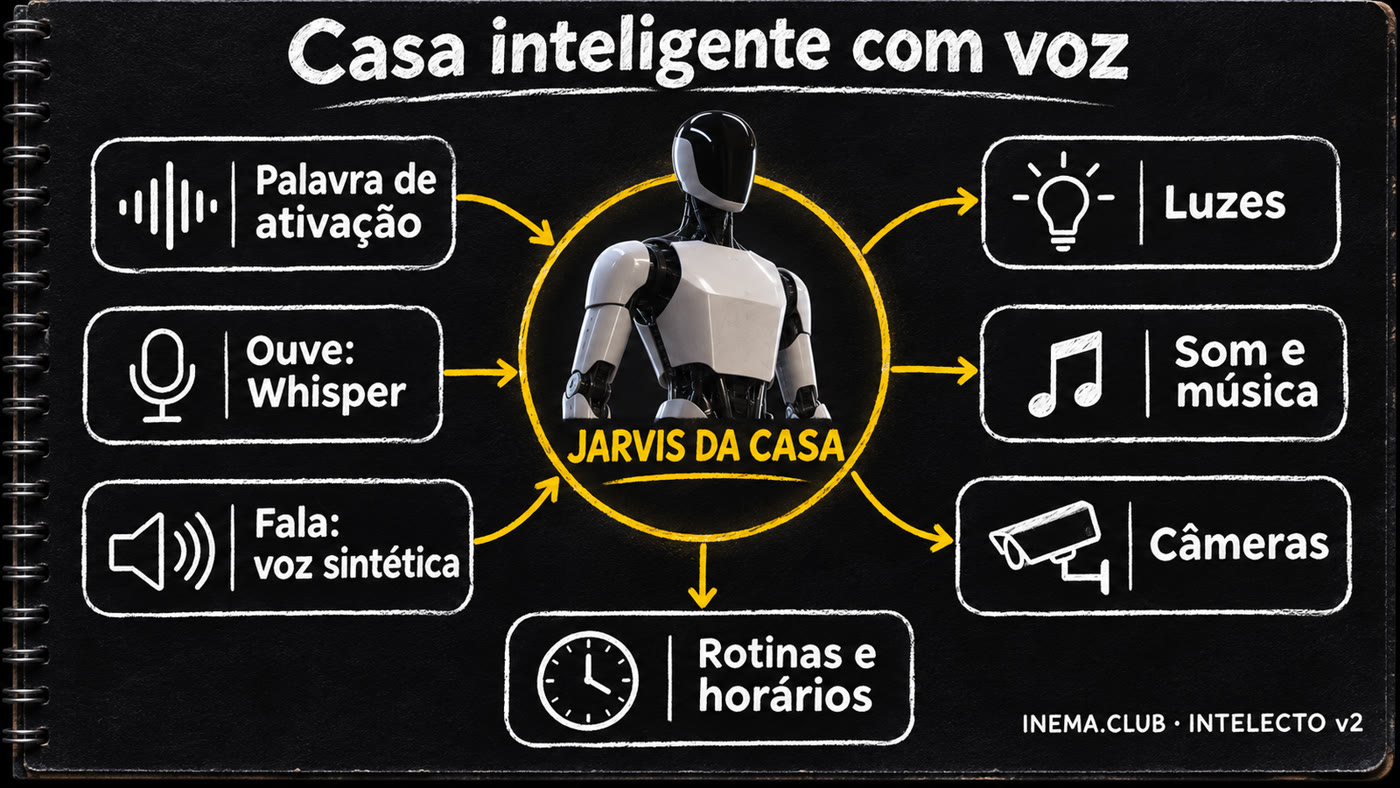
Convert voice recordings to text. Works locally (no API key) or through the OpenAI Whisper API.
OpenClawNanoClaw
Text-to-Speech (ElevenLabs + Local)
Convert text into natural speech. In the cloud through ElevenLabs or offline through sherpa-onnx. Your AI talks back.
OpenClaw
AI Image Generation
Generate images through the OpenAI API or Google Gemini. Supports inpainting, masks, and batch generation.
OpenClawTinyClaw
Video Frame Extraction
Extract frames or short clips from videos using ffmpeg. AI can analyze video content.
OpenClaw
Spotify Player Control
Control Spotify playback and search for music through your AI assistant.
OpenClaw
URL / Video / Podcast Summarizer
Summarize web pages, YouTube videos, podcasts, and local files. Get the essentials without reading or watching everything.
OpenClawNanoBotPicoClaw
Blog and RSS Feed Monitor
Monitor blogs and RSS/Atom feeds for new updates. Get notified when your favorite sources publish.
OpenClaw
Weather Forecast (No API Key)
Get current weather and forecasts using free services. No API key required.
OpenClawNanoBotPicoClaw
Google Places Search
Search for businesses, restaurants, and places. Get details, reviews, and ratings.
OpenClaw
Document Q&A (PDF, Spreadsheet, HTML)
Upload documents and ask questions about them. AI extracts answers from your files.
Agent Zero
Philips Hue Light Control
Control your Philips Hue lights and scenes with AI commands. "Dim the living room to 30%."
OpenClaw
Sonos Speaker Control
Control Sonos speakers: playback, volume, grouping, and discovery.
OpenClaw
Eight Sleep Pod Mattress Control
Adjust your smart mattress temperature, set alarms, and manage sleep schedules.
OpenClaw
I2C / SPI Hardware Bus Control
Read sensors and control hardware peripherals on embedded boards. AI communicates with physical devices.
PicoClaw
Security Camera Captures
Capture frames and video clips from RTSP/ONVIF cameras. AI monitors your security feeds.
OpenClaw
Remote Tmux Session Control
Send keystrokes to terminal sessions and retrieve output. AI operates CLI tools interactively.
OpenClawNanoBotPicoClaw
Coding Agent Orchestration
Run Codex CLI, Claude Code, or other coding agents programmatically. AI manages AI coders.
OpenClaw
Composio (1000+ App Connector)
One-click OAuth access to 1000+ apps: Gmail, Notion, GitHub, Slack, and more through Composio.
ZeroClaw
Okta Identity Management
Manage users, groups, and authentication with the Okta enterprise identity platform.
IronClaw
Store / Retrieve / Forget Memory
Dedicated tools to save, search, and delete memories. AI manages its own knowledge base.
ZeroClawIronClawAgent Zero
Git Operations (Status, Diff, Log, Commit)
Structured Git operations with parsed JSON output. AI manages your code repositories.
ZeroClaw
Screenshot and Visual Analysis
Capture screens, read image metadata, and analyze visual content. AI can see your screen.
ZeroClawAgent Zero
Background Job and Routine Manager
Create, list, check the status of, and cancel background jobs. Schedule routines with cron, webhooks, or event triggers.
IronClaw
Extension Marketplace (Search/Install/Authenticate)
Browse, install, authenticate, and activate extensions from a marketplace. Expand your AI on the spot.
IronClawOpenClaw
Food Delivery Ordering and Tracking
Repeat food delivery orders and track order status/ETA. Order dinner through chat.
OpenClaw
Skill Creator (Build Your Own)
Framework for creating and packaging new skills with scripts, references, and assets. Expand your AI's capabilities.
OpenClawNanoBotPicoClawTinyClaw
Real-Time Behavior Adjustment
Modify and update AI behavior rules mid-conversation. AI rewrites its own instructions on the spot.
Agent Zero
Agent-to-Agent Communication (A2A)
One Agent Zero instance talks to another. Distributed workflows across multiple isolated agents.
Agent Zero
SearXNG Private Web Search
Self-hosted web search engine. No tracking, no API keys. Complete search privacy.
Agent Zero
Prebuilt Agent Profiles (Developer, Researcher, Hacker)
Switch your AI's persona instantly. Developer mode for coding, Researcher mode for analysis, and more.
Agent Zero
Nostr Encrypted Messages
Connect to the decentralized Nostr protocol for encrypted direct messages. Native Web3 communication.
OpenClaw
Mintlify Documentation Builder
Build and maintain documentation websites from Markdown files. AI writes your docs site.
OpenClaw
Natural Language PDF Editing
Edit PDFs by describing what you want to change. "Move the logo to the top-right corner and change the date."
OpenClaw
1Password Secret Retrieval
Securely retrieve credentials and secrets from your 1Password vault via CLI.
OpenClaw
Skills Auto-Registered as /commands
Any skill with user_invocable:true automatically becomes a /command in the Telegram menu (setMyCommands), with no code changes — just drop in the skill folder.
ClaudeClaw
Autonomous Skill Generation
The agent detects a repeated workflow (>=3x) during the reflect step and writes a SKILL.md draft for you to approve — skills born from use, without programming.
Hermes
Portable Skills (agentskills.io)
Skills as self-contained folders with SKILL.md (YAML frontmatter + Markdown), an open standard portable across Hermes, Claude Code, and Codex.
Hermes
Skill Composition and State Machines
Small skills compose through hermes.invoke() (a graph, not a monolith), and N-step workflows use @hermes.step with automatic checkpointing.
Hermes
Agent Hub (the "PyPI for Agents")
Registry for publishing versioned agents (semver) and installing them with one command (cerebrum hub publish/search/install/run). Agent reuse moves out of the lab.
AIOS