1. Product in dim light · 0–2 s
Image: Full flashlight on dark stone; magenta outline visible, with room for text to be added in the editor.
Motion: Fixed camera; light mist.
Check: The product is recognizable from its outline.
← back to the course · educational references
Six original cases to study scripting, continuity, and editing. The images are educational references created with Codex. This kit does not contain six rendered campaigns. The exercises ask you to create and check your own files.
Save scripts, references, and study audio · Save scripts as text
Format for all six studies: vertical 9:16, MP4 export at 1080 by 1920 when your files allow it. Do not enlarge poor material expecting to recover detail. Check framing and readability in your editor. Course references are horizontal for reading; create your own references in the planned format.
Add a readable label saying “fictional concept” or “AI demonstration.” Check account costs and features before generating. For the full project, set aside 28–40 hours, plus waiting time. The ten-minute practice is one part of a stage, often reviewing files already made.
Fixed reference: Magenta cylindrical flashlight, black handle, and one front lens. Dark stone and blue setting. Does not represent actual performance.
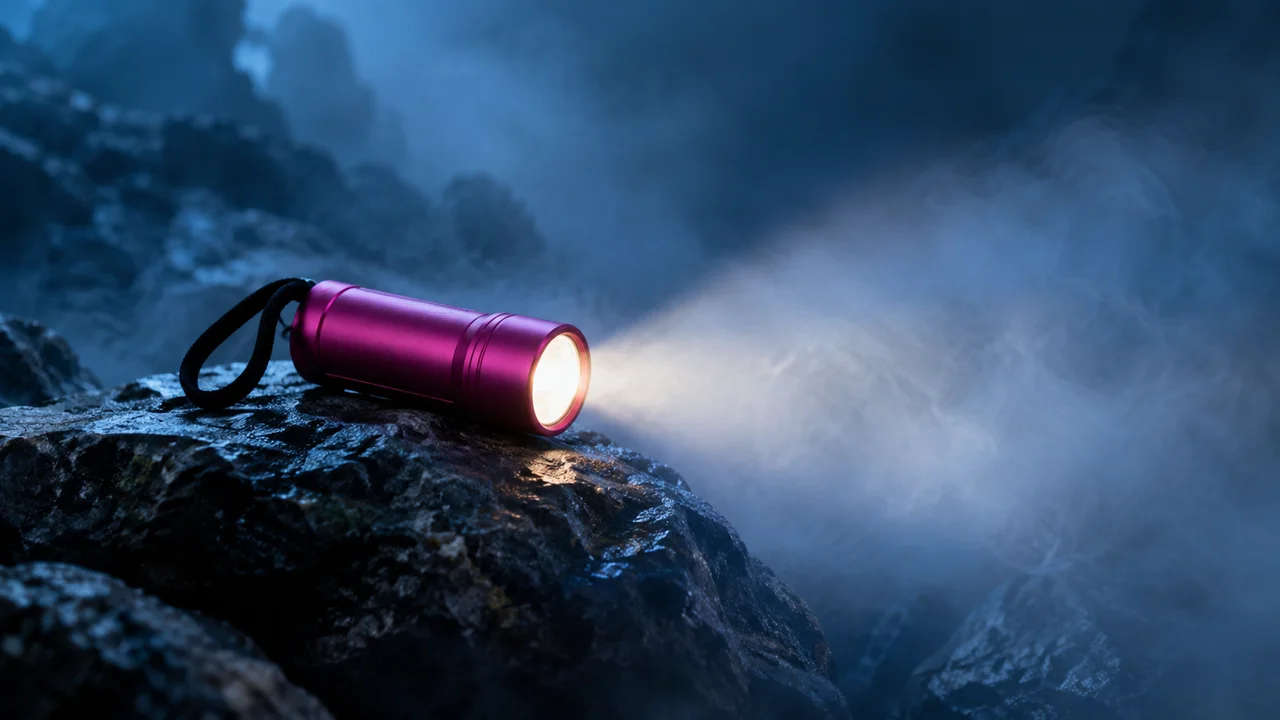
Educational image from Codex; not a frame from a produced campaign.
Image: Full flashlight on dark stone; magenta outline visible, with room for text to be added in the editor.
Motion: Fixed camera; light mist.
Check: The product is recognizable from its outline.
Image: Same flashlight switched on; soft beam in blue mist.
Motion: Mist moves without changing the lens.
Check: One lens, one handle, shape preserved.
Image: Same flashlight fully visible on the stone.
Motion: Small, slow push-in.
Check: No part disappears.
Image: Detail of the magenta body, with the same proportions and material.
Motion: Light shifts gently; product stays still.
Check: Texture does not turn into letters or a logo.
Image: Detail of the black handle attached to the body, with natural support.
Motion: Steady camera.
Check: Handle stays attached and does not multiply.
Image: Full product on the same stone, with more blue space around it.
Motion: Mist drifts in the background.
Check: Scale stays consistent through the clip.
Image: Lens and body visible, highlights controlled.
Motion: Small change in light.
Check: Highlights do not erase the product shape.
Image: Same main composition, with the full product.
Motion: Movement slows to a stop.
Check: Handle, lens, and body stay consistent.
Image: Full product, clean background for a line added in the editor.
Motion: Fixed camera.
Check: Name and label fit without covering the object.
Sound: When everything feels the same, a pause changes your view. Lume: imagine another path. Record at a natural pace, listen, and spread the line across 18 seconds. Do not cut words to make it fit.
Done: Nine scenes, 18 seconds, consistent product, and clear voice. Label: fictional AI concept.
Fixed reference: Adult in coral clothing, green glass hallway, same light and direction. Four edited clips; not one real continuous take.
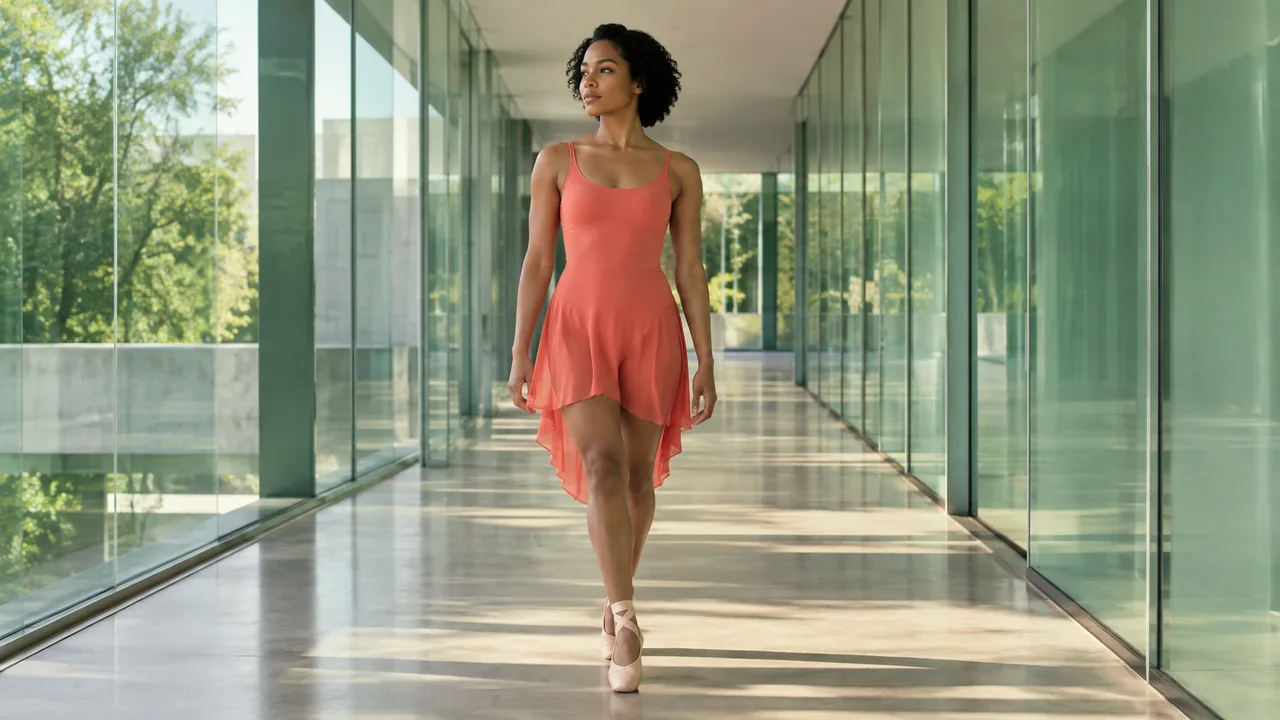
Educational image from Codex; not a frame from a produced campaign.
Image: Full person at the start of the hall, arms relaxed.
Motion: Starts walking slowly; camera follows.
Check: Body, clothing, and pillars stay consistent.
Image: Use the last clean frame from before; same person a few steps farther along.
Motion: Continues in the same direction.
Check: Position and scale line up at the transition.
Image: Same person crosses a band of sunlight on the floor.
Motion: Short walk, no turning.
Check: Light belongs to the setting; clothing does not change.
Image: Same hallway; person finishes the step.
Motion: Movement slows to a stop.
Check: Feet do not slide, and the music ends deliberately.
Sound: Use the kit’s instrumental track across 20 seconds. Listen before choosing transitions. The intervals are a study structure, not an analysis of the track’s beats.
Done: Four clips, three checked transitions, continuous sound, and credits preserved. Label: fictional AI study.
Fixed reference: Translucent amber frame, two dark lenses, bridge, and two arms. Cream paper. No protection or health claims.
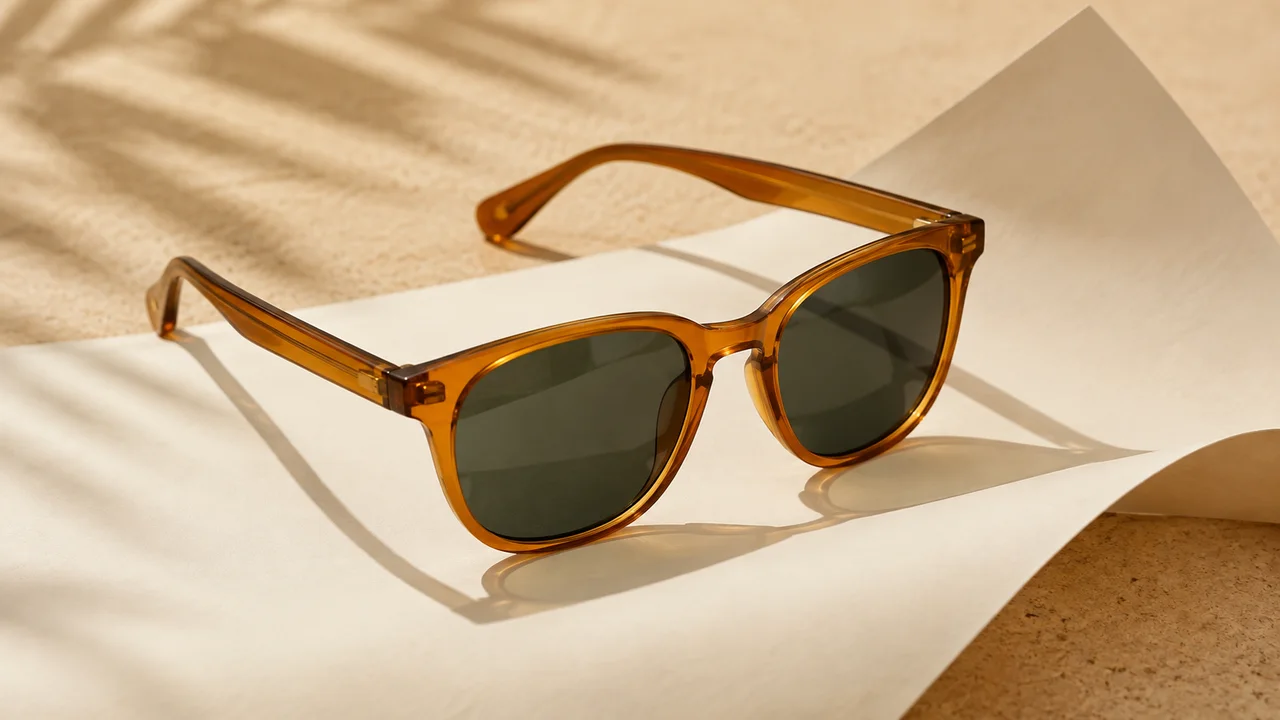
Educational image from Codex; not a frame from a produced campaign.
Image: Full glasses on cream paper, with room around the arms.
Motion: Slow push-in.
Check: The full pair remains recognizable.
Image: Same frame, with a folded piece of paper in the foreground.
Motion: Paper fold moves gently.
Check: Paper does not transform the product.
Image: Detail of the amber frame and hinge.
Motion: Nearly still camera.
Check: Material and joints remain consistent.
Image: Same reference, from a slightly different angle.
Motion: Minimal movement, no full turn.
Check: Two arms stay clear of the lenses.
Image: Full product against a clean background.
Motion: Fixed camera.
Check: The Senda line “notice the details” is readable.
Sound: Optional licensed music. The piece works without voice. If you use the kit excerpt, trim it deliberately to 15 seconds and keep the credit.
Ready: Five scenes, 15 seconds, a coherent build, and a readable line. Label it: fictional AI concept.
Fixed details: Coral sneaker, cream sole, coral laces; navy outfit and blue track. It makes no performance or health claims.
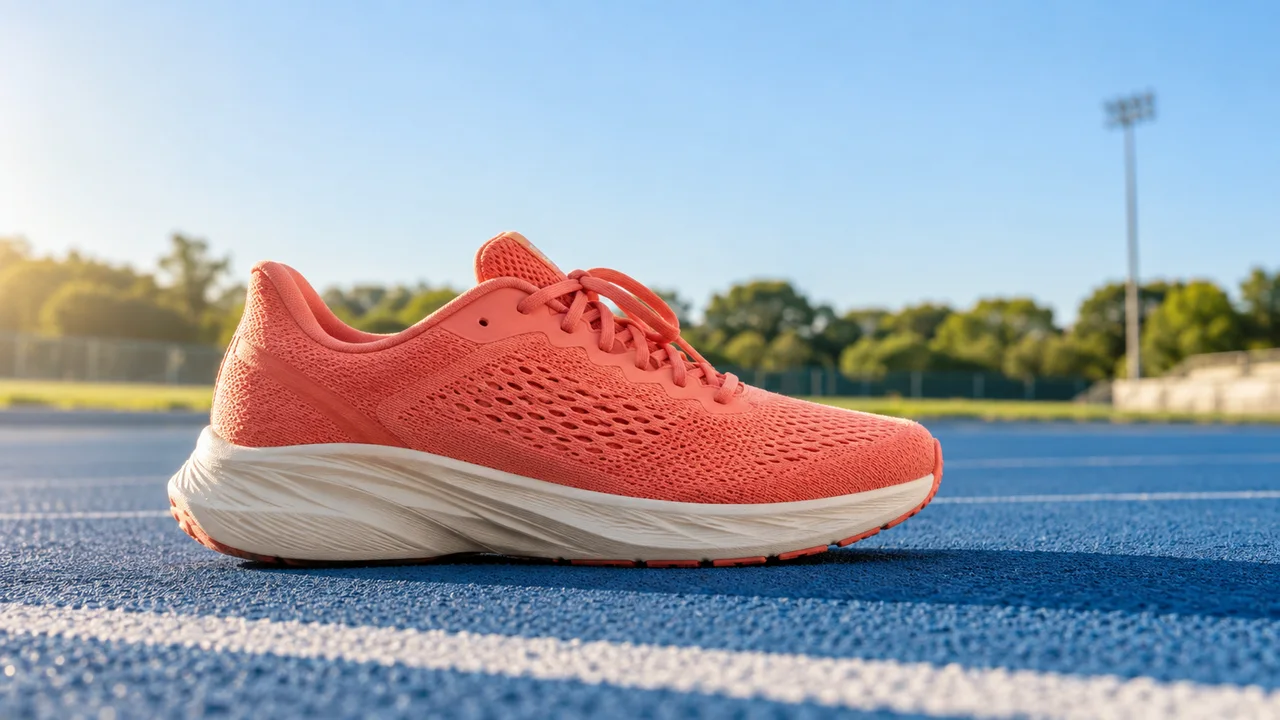
Educational image from Codex; not a frame from a produced campaign.
Image: Side view of the sneaker resting on the blue track.
Motion: Static camera or a slight push-in.
Check: The sneaker meets the track, and the sole looks consistent.
Image: An adult standing still, arms relaxed, wearing navy and the reference sneaker.
Motion: A small shift in weight.
Check: Two legs, two feet, and a balanced stance.
Image: Same person and direction, with room to move one foot forward.
Motion: One short step, then a foot planted on the track.
Check: The foot does not pass through the ground; the body does not multiply.
Sound: Three light taps you record can mark the edit. They set a rhythm; they are not a heartbeat recording. Or make the first cut in silence.
Ready: Three scenes, 12 seconds, with footing and anatomy checked. Label it: fictional AI concept.
Fixed details: Four references: terracotta room, brass astronomical instrument, gray gloves, and circular ceiling light. It does not depict a real place.
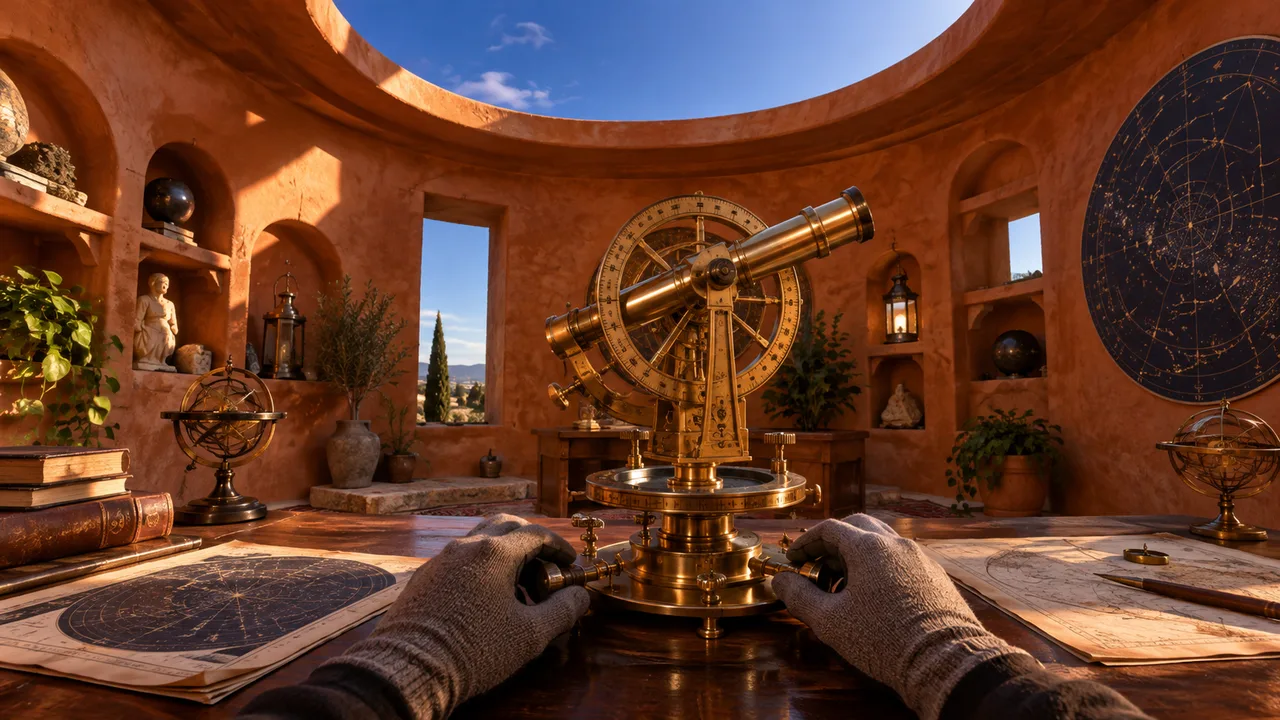
Educational image from Codex; not a frame from a produced campaign.
Image: View from the entrance toward the table; light from the circular opening.
Motion: Slow forward movement.
Check: The table and ceiling match the map.
Image: Same room, table closer; the object stays at the center of the action.
Motion: A slight move forward without crossing the table.
Check: The approach matches the scale.
Image: Brass instrument nearby; gloves at the bottom of the frame.
Motion: Steady hands; a slight shift in gaze.
Check: Hands and object stay undistorted.
Image: Same viewpoint; instrument and room remain recognizable.
Motion: The movement ends calmly.
Check: Doors, ceiling, and table stay in place.
Sound: Use subtle ambient sound you recorded or are allowed to use. You can start in silence to check the space. Music and a scare are optional.
Ready: Four scenes, 16 seconds, three spatial transitions checked. Label it: fictional AI world.
Fixed details: Jo: brown skin, short black hair, cream top. Rectangular olive canvas bag with two cream handles. The character and product are fictional.

Educational image from Codex; not a frame from a produced campaign.
Image: Jo shown from the waist up, holding the whole bag.
Motion: Brief speech, minimal gestures.
Check: Check the shape. Match the mouth to the voice, or label it as narration.
Image: Whole bag, same reference.
Motion: Fixed camera.
Check: Show the whole bag. Keep its rectangular shape.
Image: Close-up of the cream handles attached to the bag.
Motion: Hand holds a handle without twisting it.
Check: Inspect the handles. Hand and fabric stay separate.
Image: Close-up of the olive canvas.
Motion: Slight push-in.
Check: Inspect the fabric. Its texture does not turn into another material.
Image: Open bag, with no capacity claim or objects appearing from nowhere.
Motion: Minimal movement.
Check: Inspect the opening. Edges and handles stay consistent.
Image: Jo and the whole bag in a waist-up frame.
Motion: Simple pose.
Check: Compare the full scene. Face, outfit, and product stay consistent.
Image: Product visible, with room for its label.
Motion: Fixed camera.
Check: Introduce the Dobra concept. Keep the full line readable.
Sound: Use the seven short suggested lines, with pauses. Your own or a synthetic voice is fine. Narrating over details reduces the need to sync speech. Do not invent a shopping experience.
Ready: Seven scenes, 21 seconds, with speech, character, and bag consistent. Visible label: Fictional AI demonstration.
Carefree — Kevin MacLeod (incompetech.com). CC BY 4.0 license: https://creativecommons.org/licenses/by/4.0/. First 20-second excerpt, converted to MP3. Source: https://incompetech.com/music/royalty-free/index.html?gt=&isrc=USUAN1400037. Obtained by INEMAVOX on 25/09/2026. If you change the volume or duration, or add fades, include that in the credit.
CASE:
SCENE:
FILE AND ATTEMPT:
REFERENCE USED:
PROMPT:
STATUS: approved / revise / pending
TIME SPENT ON ISSUE:
WHAT I OBSERVED:
CHANGE TO TEST:
ACTIVE WORK: measured / estimated / not measured
PROCESSING WAIT:
KNOWN ATTEMPTS AND USAGE:
LIMIT AND ALTERNATIVE:
CHOSEN CASE:
AUDIENCE:
MESSAGE:
FORMAT:
DURATION AND SCENES:
EXPECTED FILES:
CRITERIA: sequence / identity / sound / readability / labeling
PREVIOUS VERSION:
REVISED VERSION:
CHANGE AND OBSERVED EFFECT:
DECISION:
INDEX OF SIX STUDIES:
Lume — 18s — file and status:
Vento — 20s — file and status:
Senda — 15s — file and status:
Pulso — 12s — file and status:
Arquivo do Vento — 16s — file and status:
Dobra — 21s — file and status:
FINAL FINISH — file and status:
SOURCES AND CREDITS:
REAL PENDING ITEMS: