Educational references
Images created with Codex to teach visual choices. They are not frames from six produced ads. Generation activities require files you create yourself. Pairs 2/3, 5/6, 8/9, 14/15, and 17/18 use an earlier reference but still require comparison.
1. Plan Lume’s narrated ad
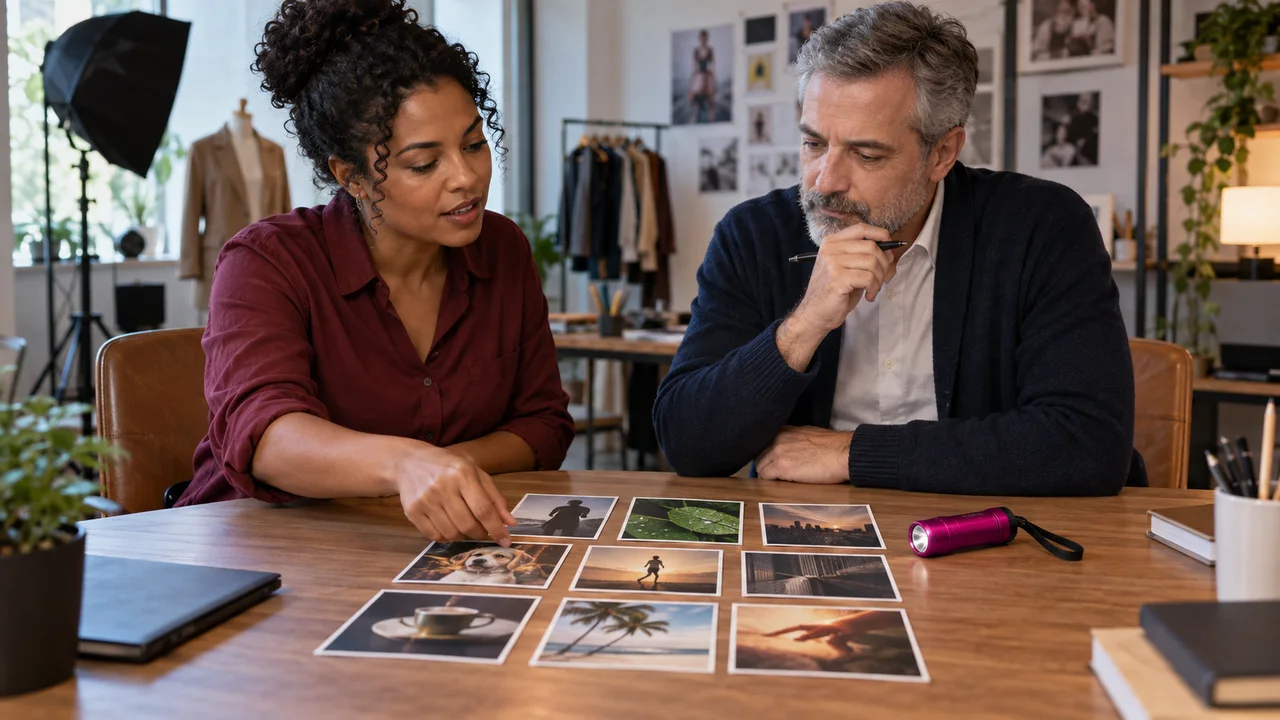
Mila and Paulo plan beside a magenta lantern. The cards illustrate a reference table, not the final nine-scene storyboard.
2. Fix the flashlight before surreal scenes
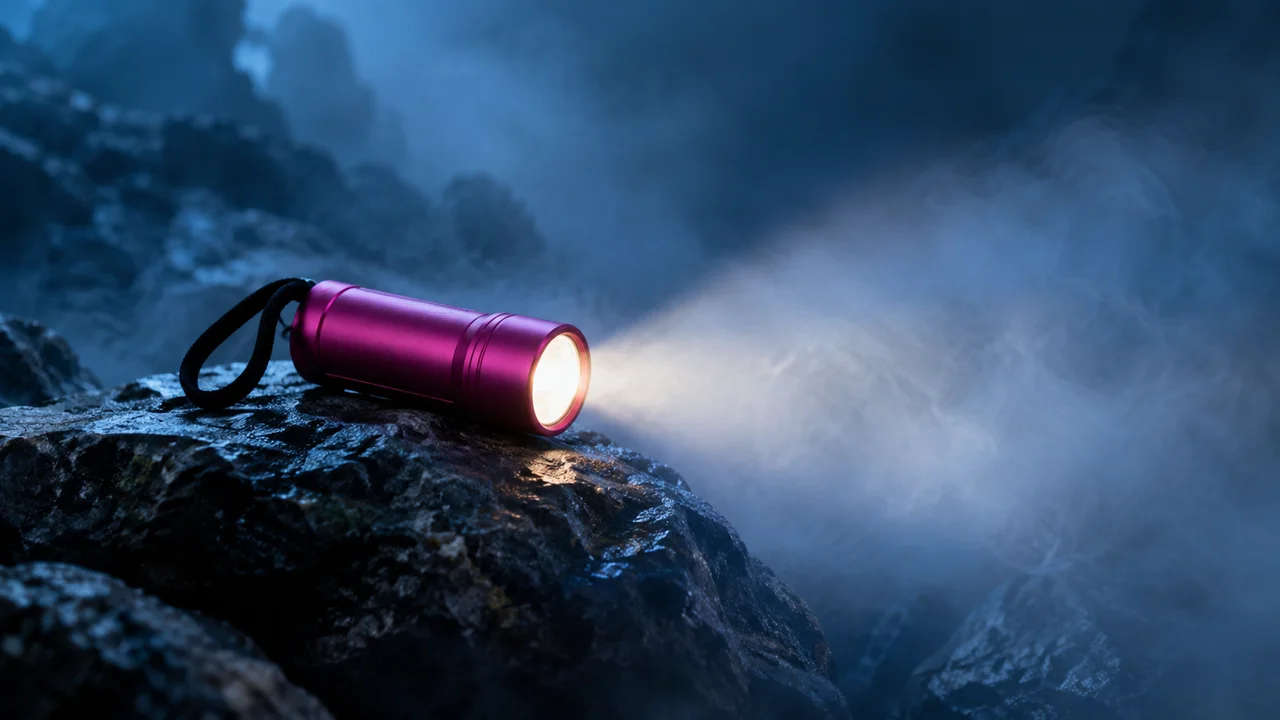
The full magenta lantern lets you inspect its body, handle, and lens. The lighting is an artistic choice, not proof of performance.
3. Build nine scenes with a clear voice
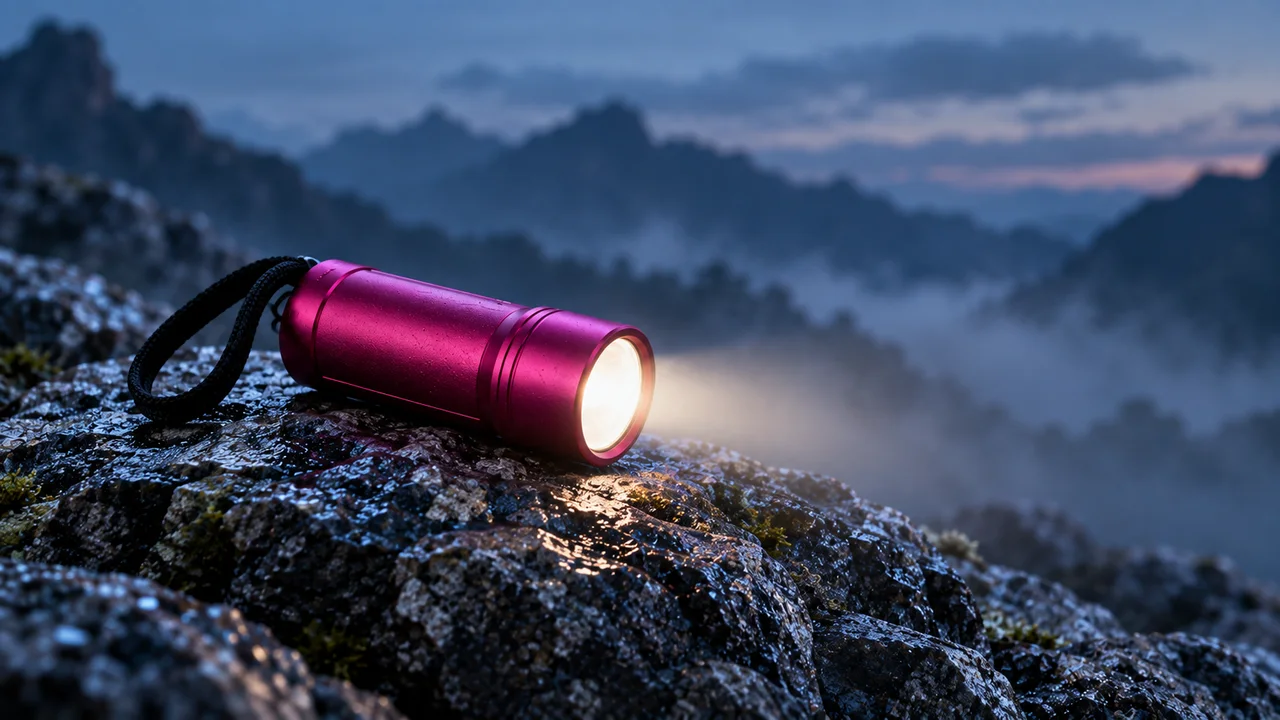
The illustrated ending keeps the lantern recognizable. The photo does not prove continuity in a clip; you need to watch the generated video for that.
4. Let music guide the route
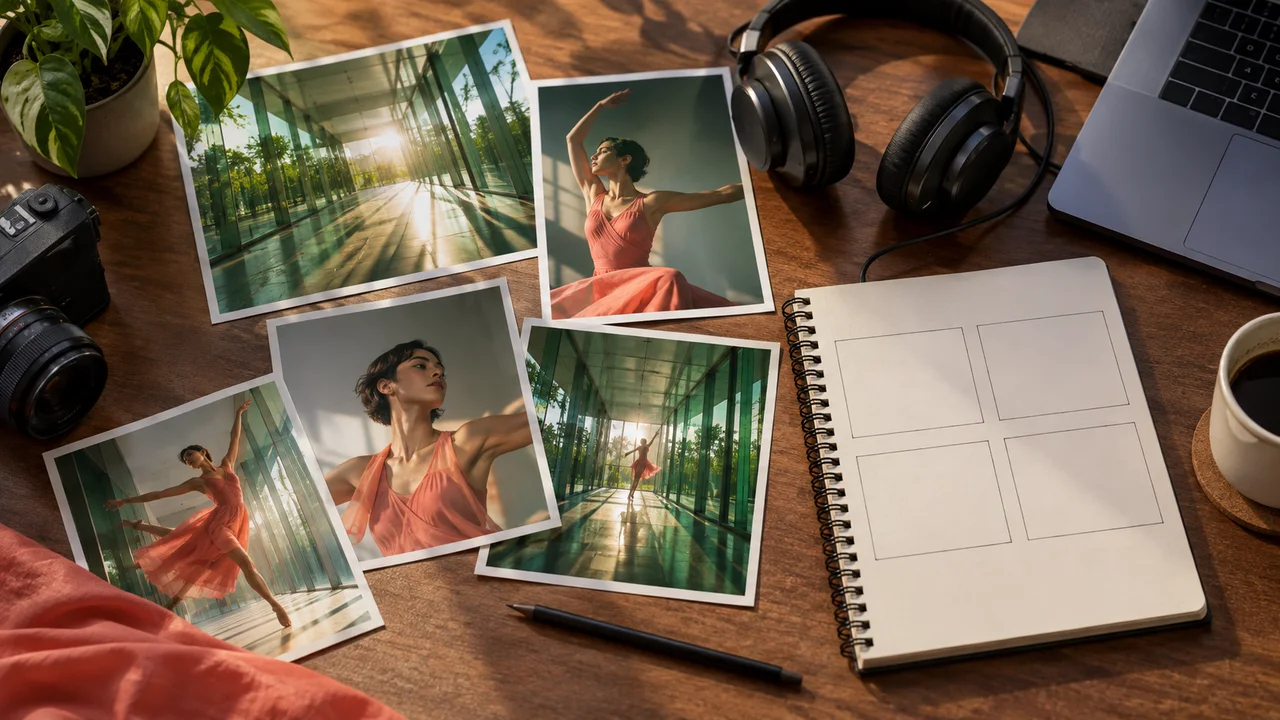
Headphones and corridor photos suggest planning from sound. The tabletop photos do not prove a continuous sequence.
5. Plan Vento’s transition points
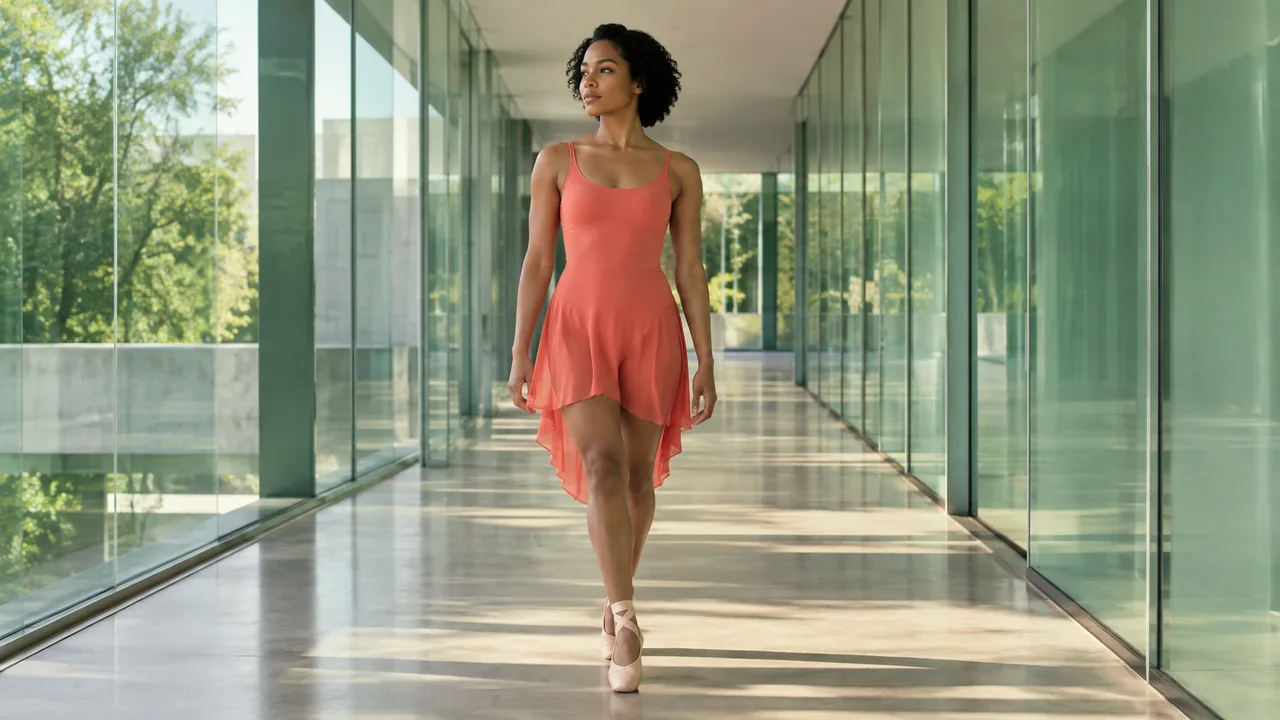
The person in coral clothing appears full-length in the corridor. Use appearance, clothing, and architecture as observable references.
6. Check the transitions in the music sequence
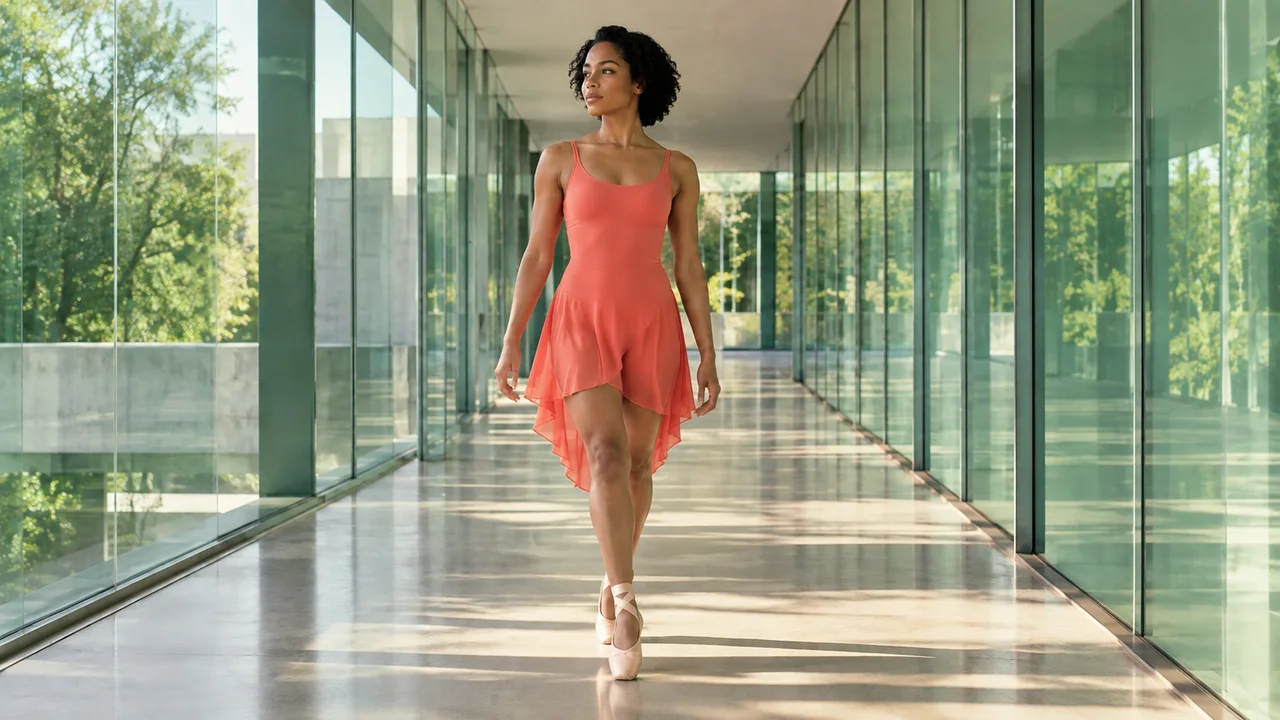
The person’s next position suggests continuity, but it also needs comparison with the previous image and the generated clip.
7. Draw five scenes before animating Senda
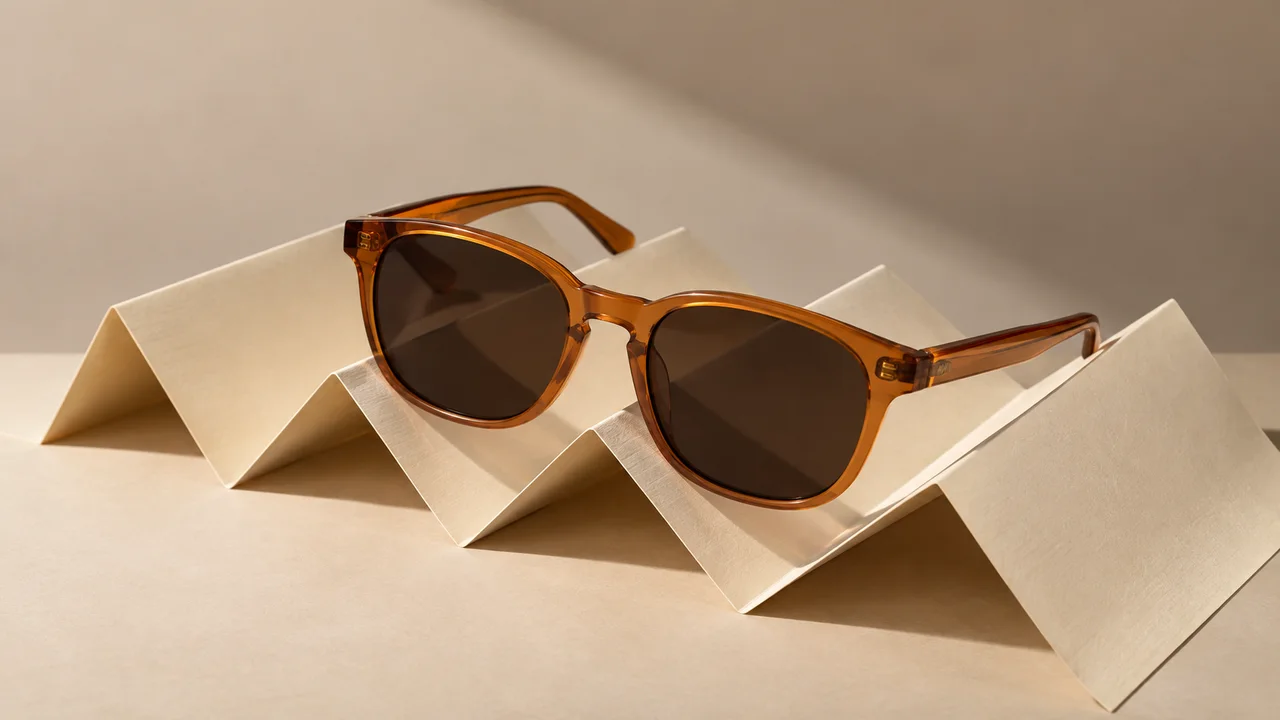
Glasses on folded paper illustrate product and setting. The folds do not replace the five frames in your storyboard.
8. Approve the main image of the glasses
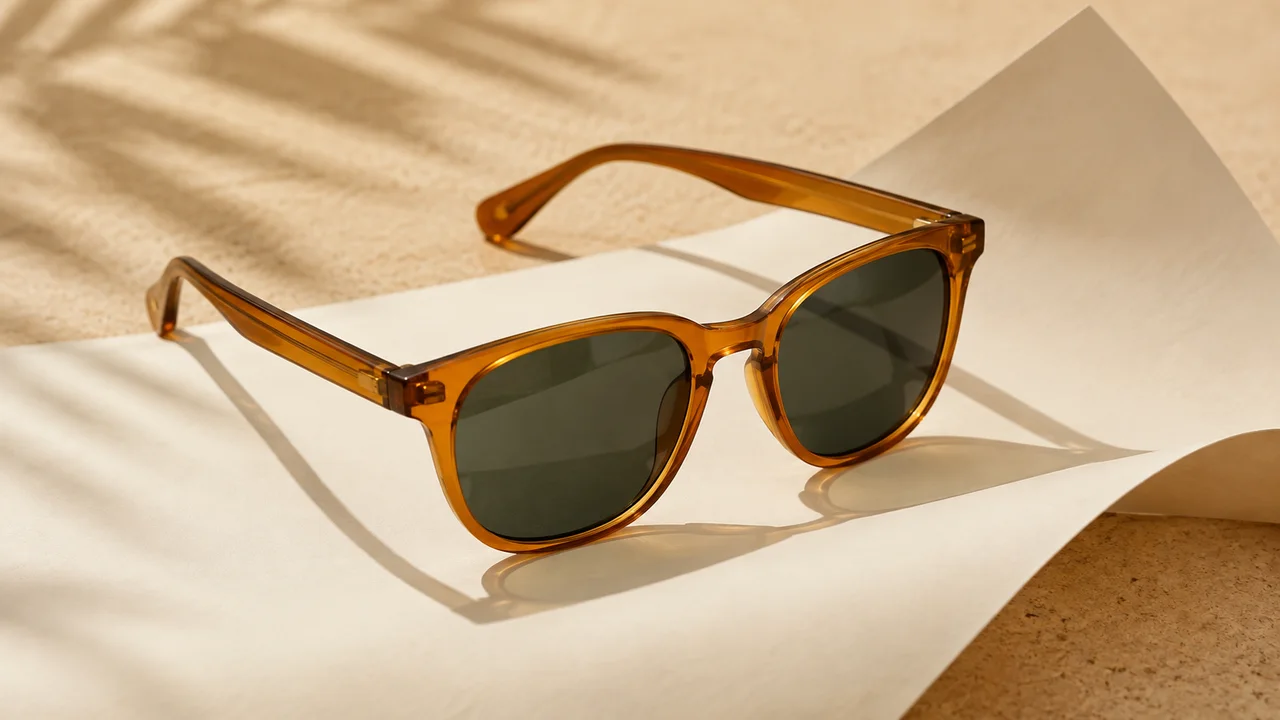
The horizontal reference shows the amber material and nose pads. The exercise calls for a new vertical image with margin.
9. Use paper to connect Senda’s scenes
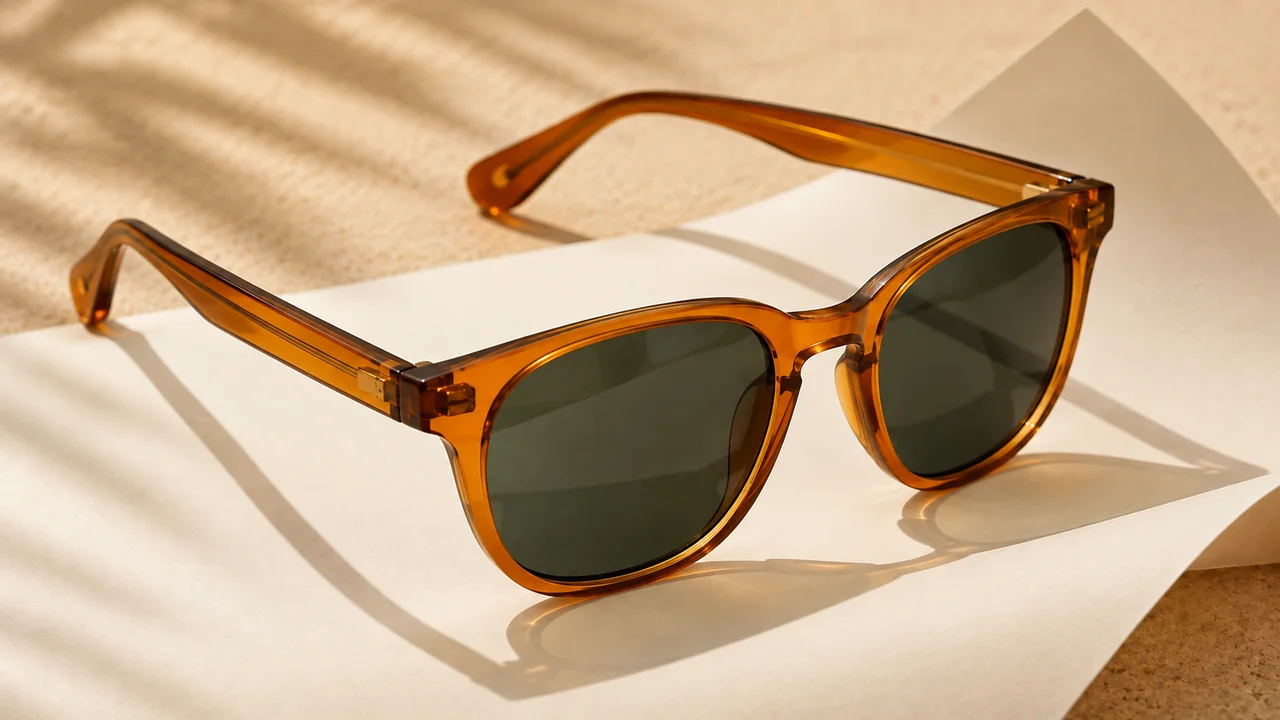
The close-up lets you inspect the material and hinge. Compare it with the previous reference; a photo does not prove a moving transition.
10. Reduce the sports ad to essentials
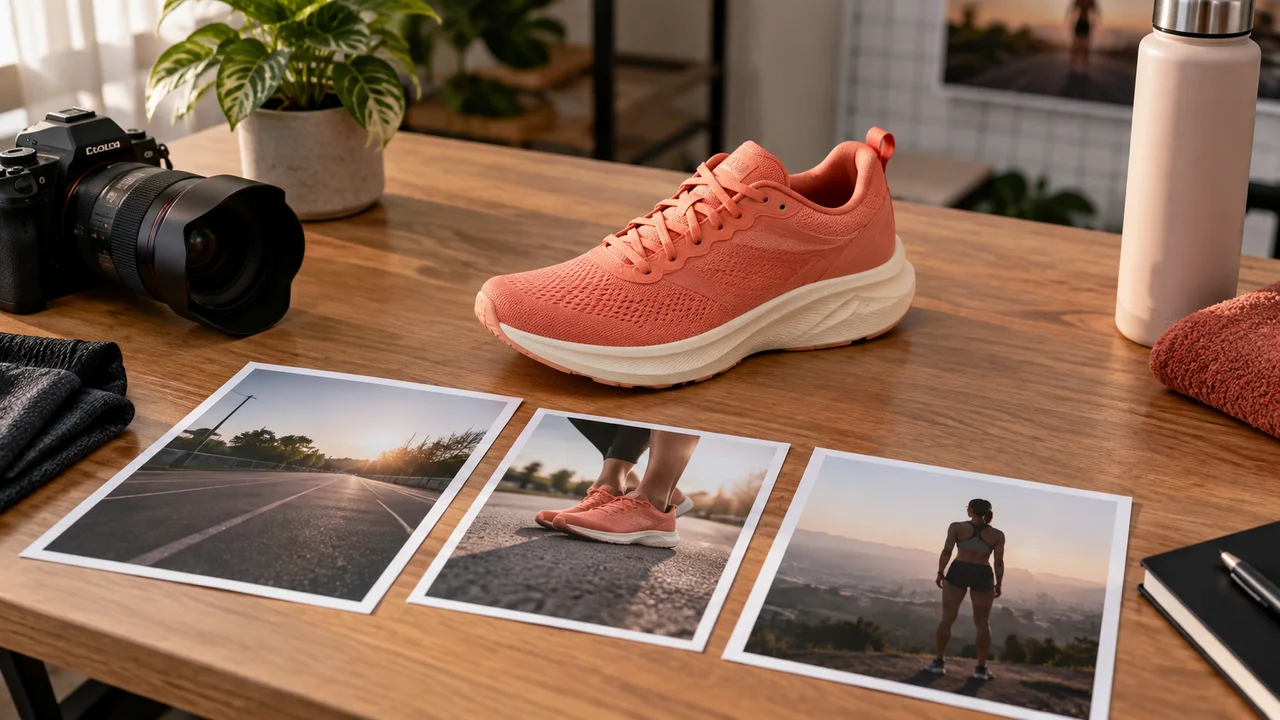
The coral sneaker and cards suggest athletic preparation. The table does not prove an ad was produced in ten minutes.
11. Define the shoe and opening position
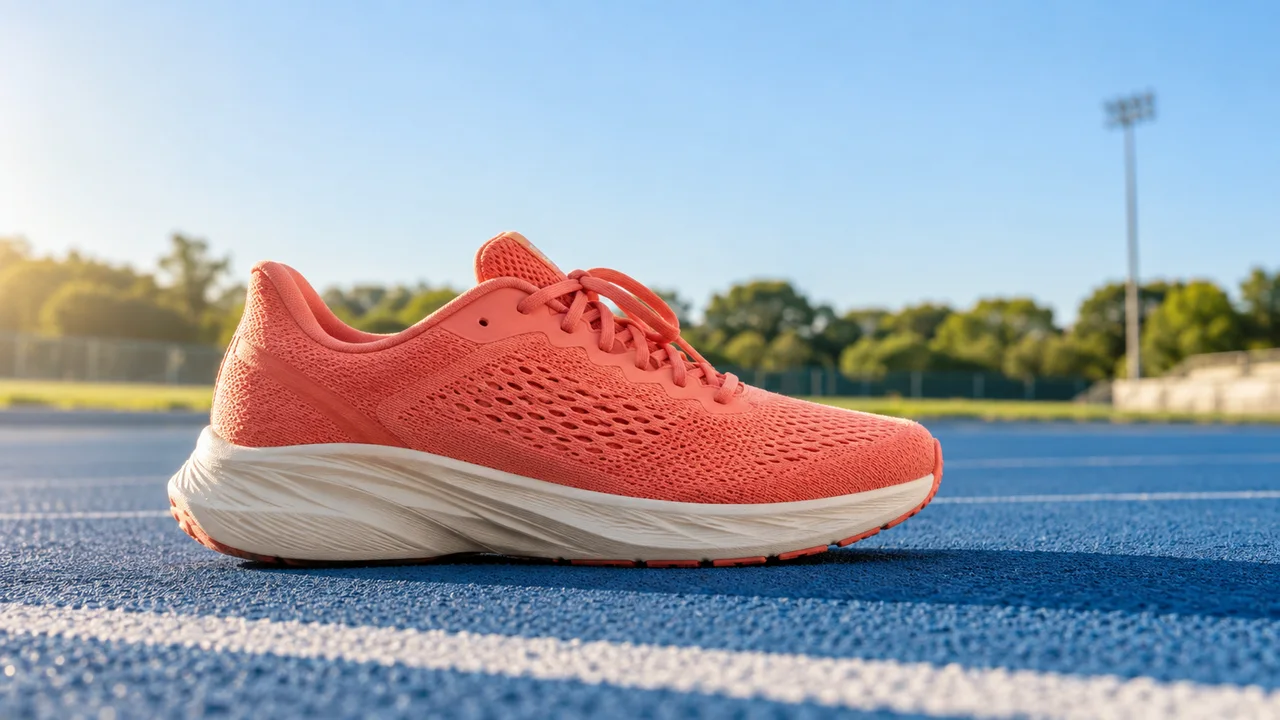
The side view lets you inspect the sole and its contact with the track. The image shows a fictional product and makes no athletic-benefit claims.
12. Build Pulso without hiding motion flaws
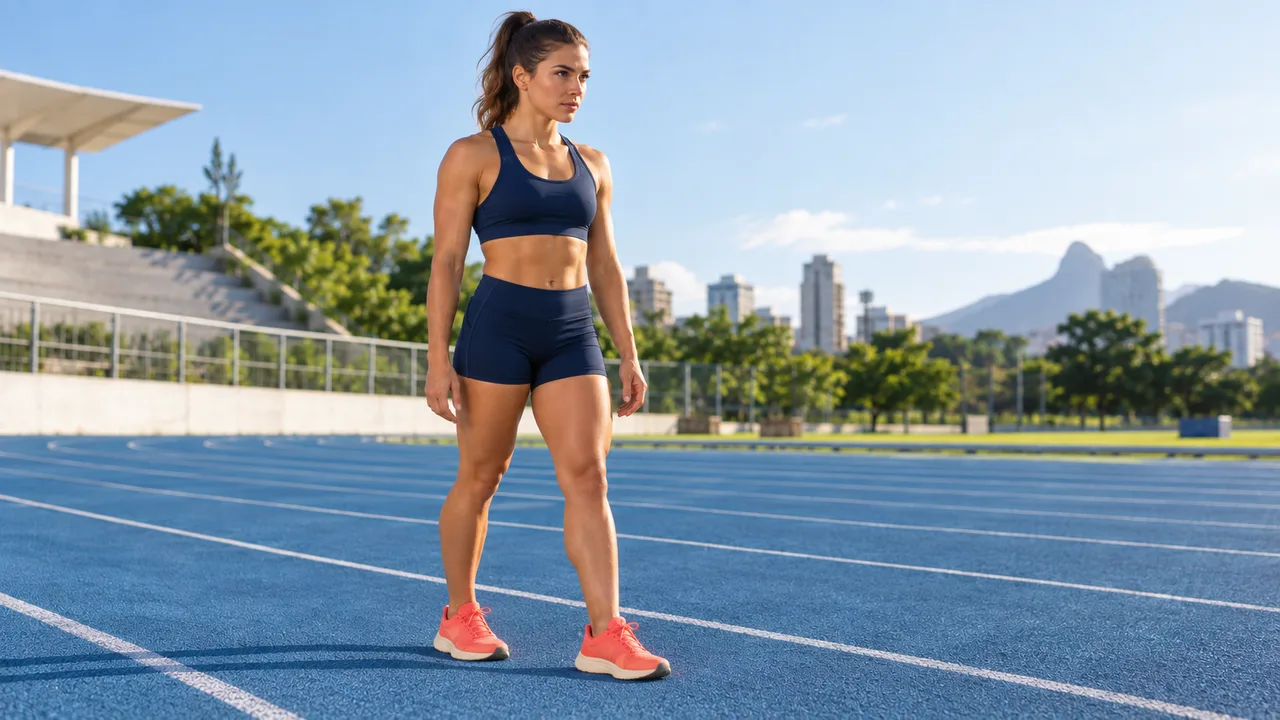
The ready position lets you inspect balance. The photo does not show that the step was generated correctly.
13. Define four references for Arquivo do Vento
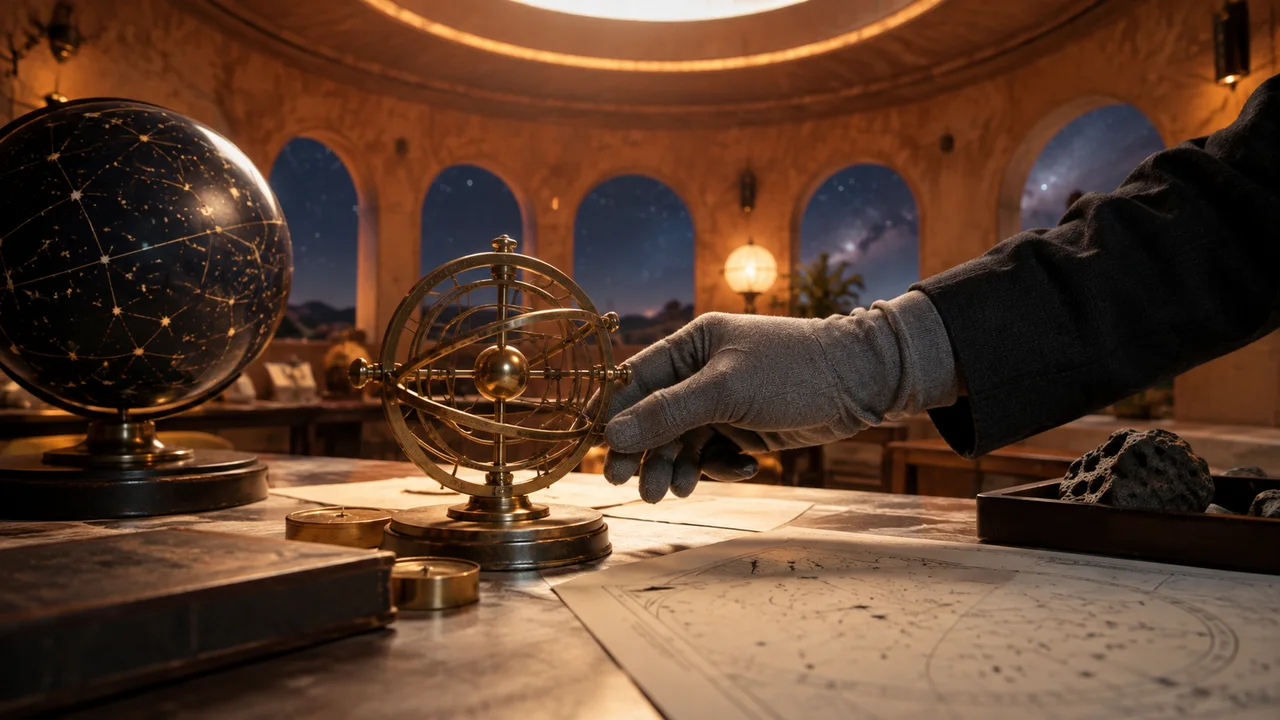
The observatory and gloved hand illustrate the original world. The image is not four separate reference files.
14. Build the first image with compatible references
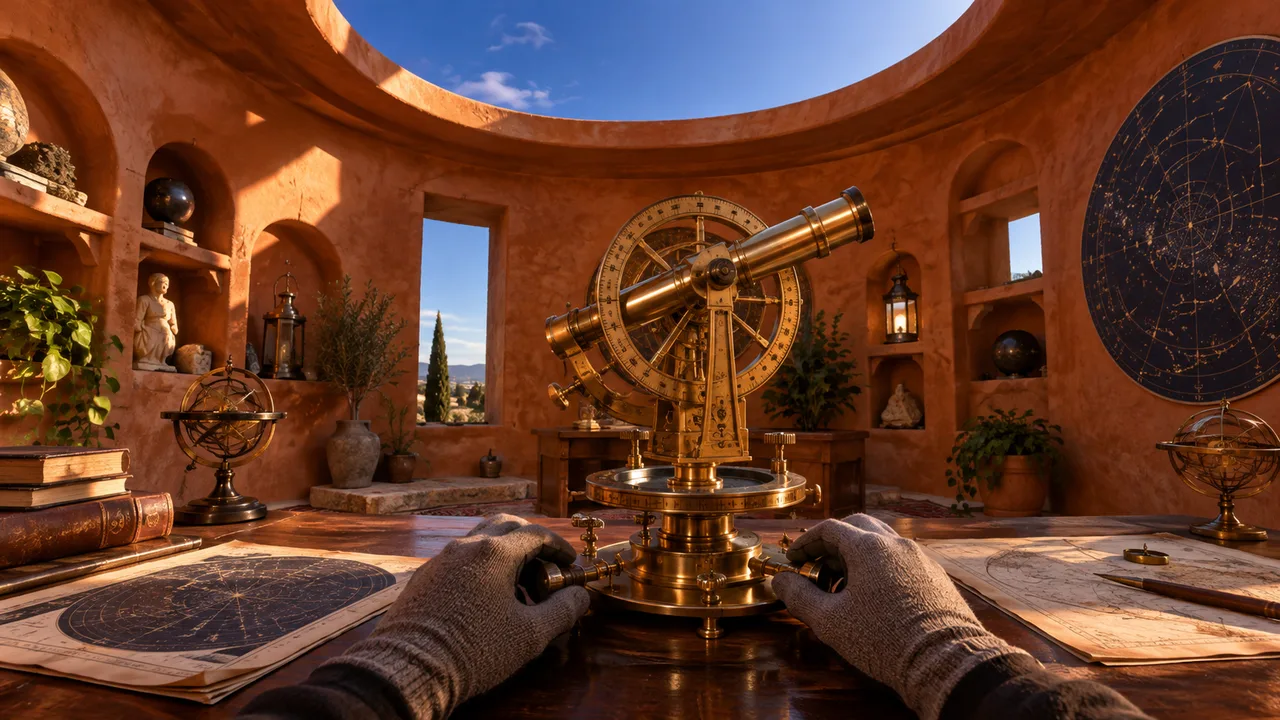
The first-person view shows gloved hands, a table, and an instrument. Check scale and architecture before animating.
15. Move through the room without changing spaces
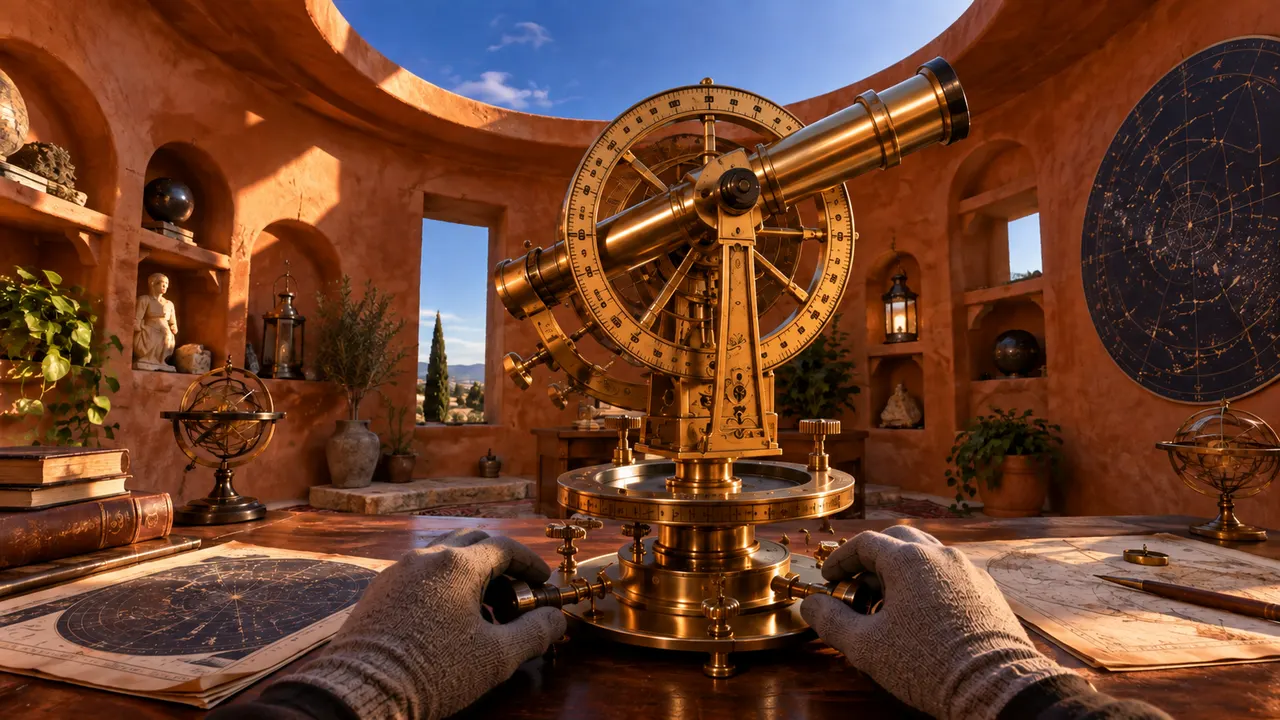
The closer view keeps several room elements. The comparison helps you look for changes, but motion requires an actual clip.
16. Write seven demonstration scenes for Dobra
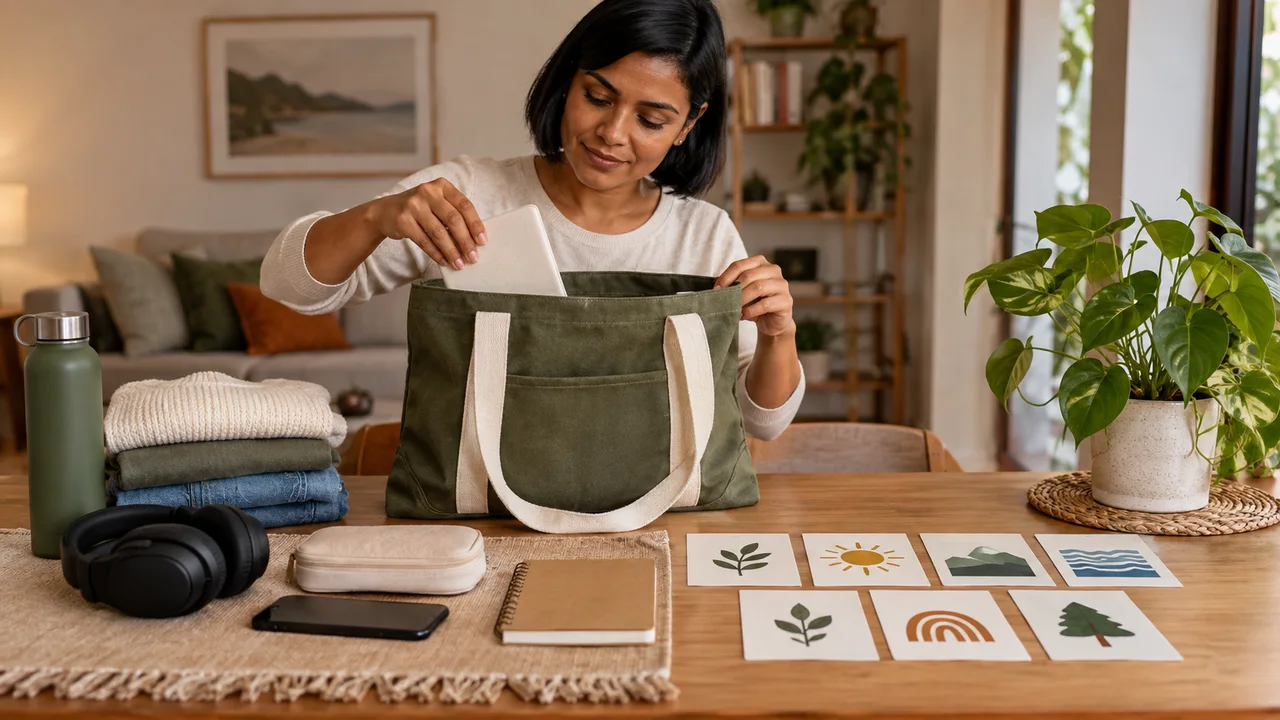
The character and bag illustrate demonstration planning. The cards are not testimonials or sales results.
17. Keep Dobra’s character, bag, and voice consistent
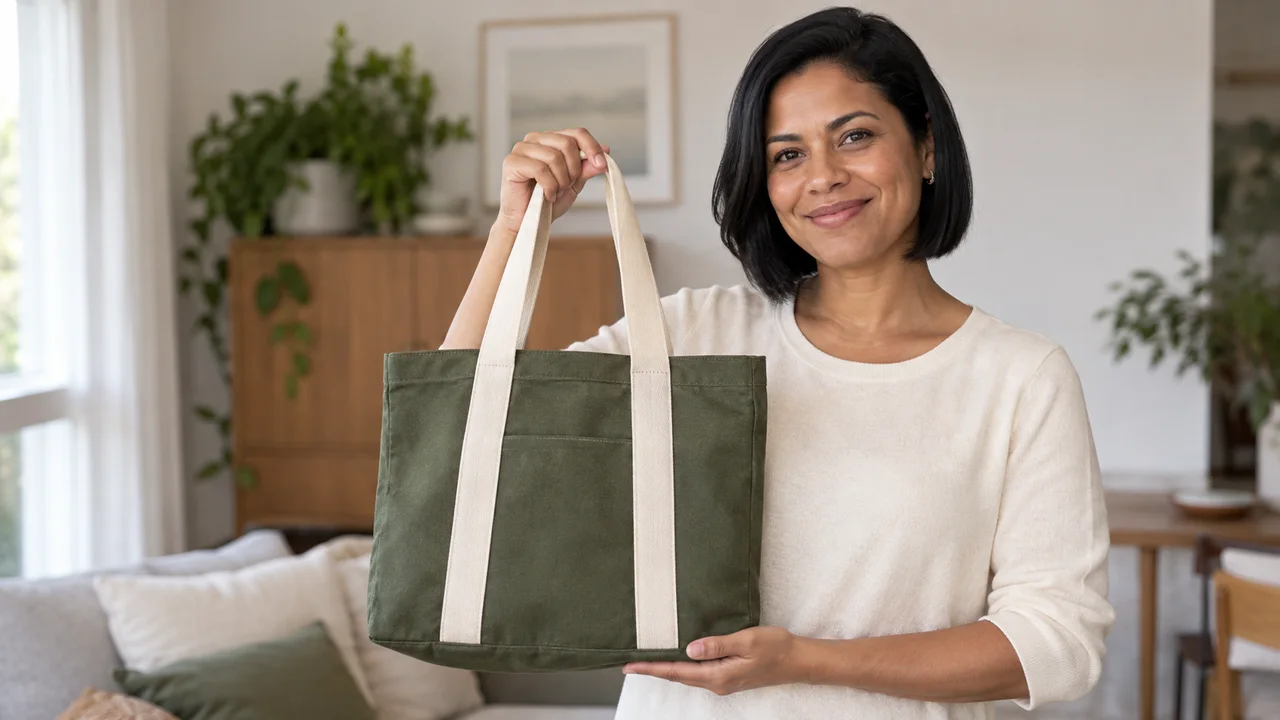
The fictional character holds the bag to show its shape and handles. This scene does not depict a real customer or prove product use.
18. Connect the seven scenes without changing the bag
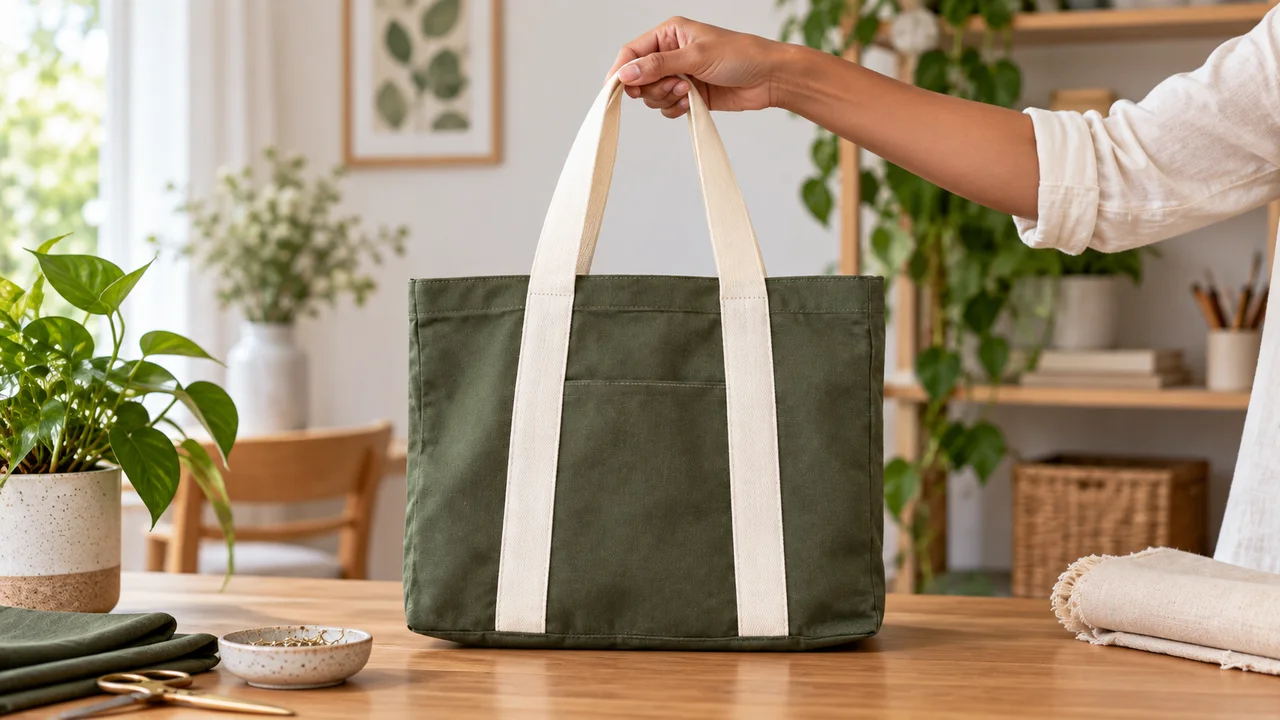
The handle detail lets you compare fabric and construction with the shared reference. The photo does not prove an action in motion.
19. Organize files so you can recreate the work
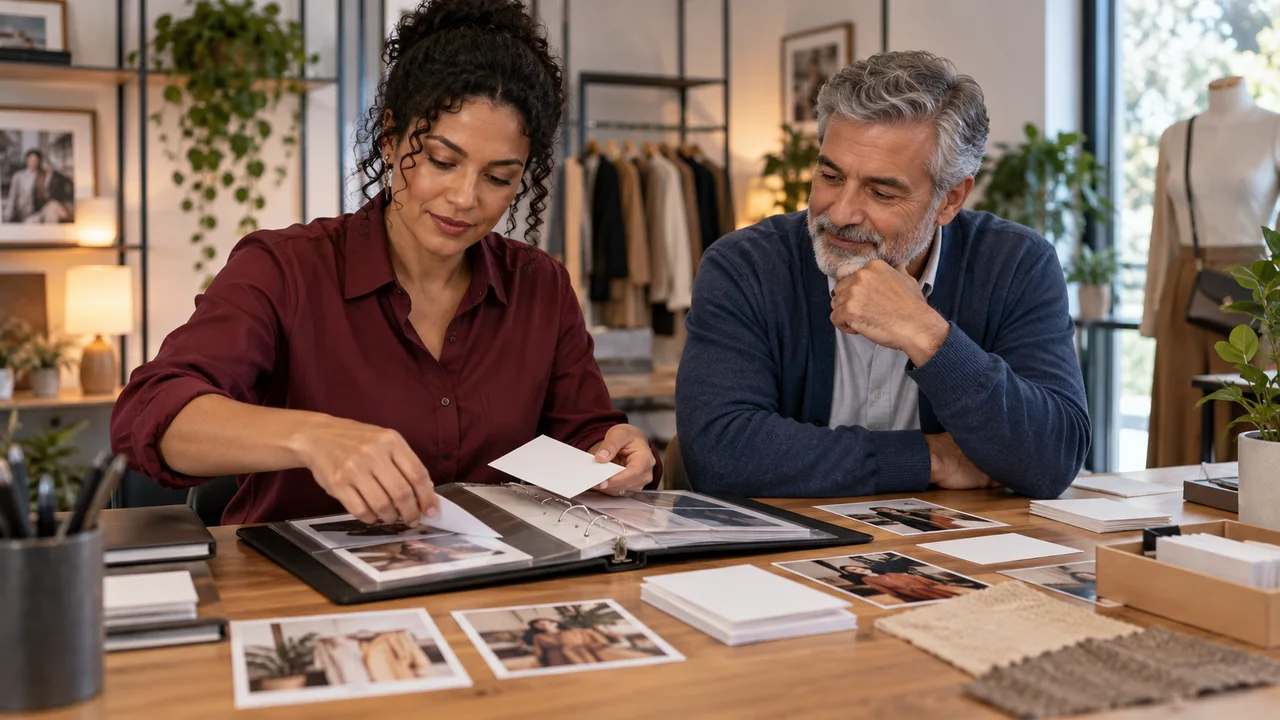
Mila and Paulo organize a reference folder. The scene illustrates filing; the actual files must exist in your own structure.
20. Track attempts, time, and resources
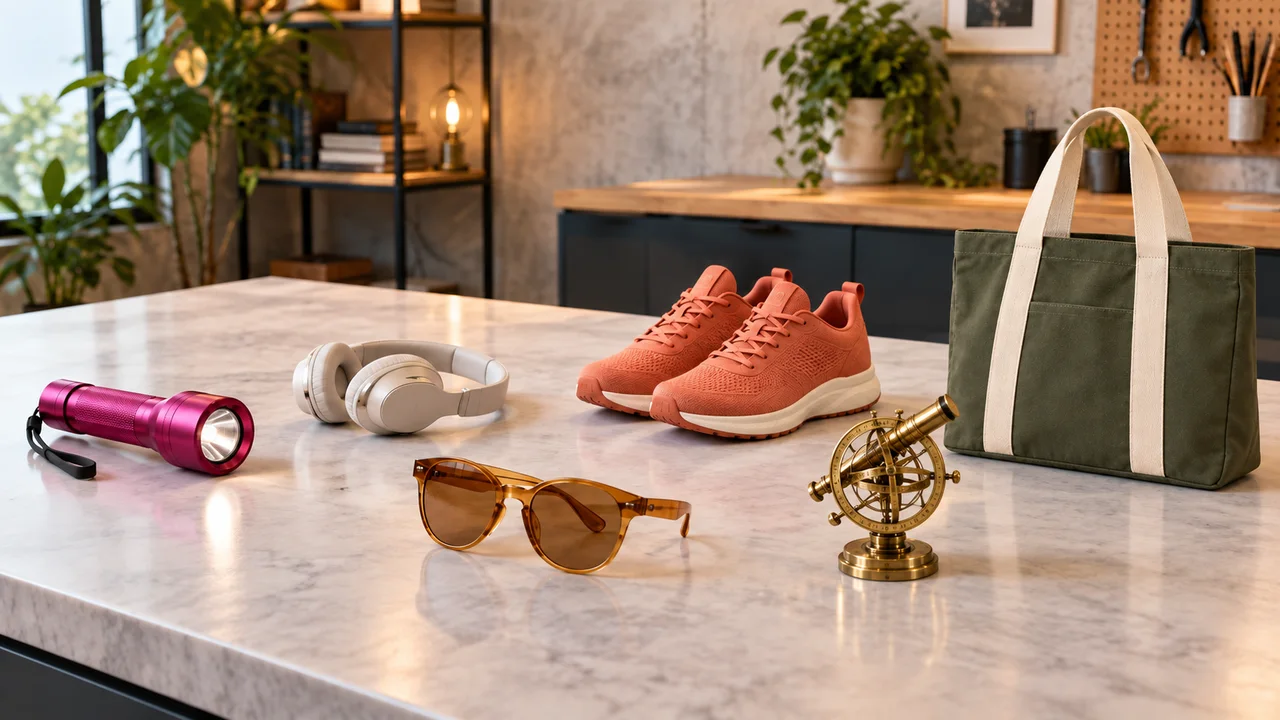
Objects tied to the six cases recall that each production has its own challenges. The image does not represent measured cost or results.
21. Review image, sound, and message in separate passes
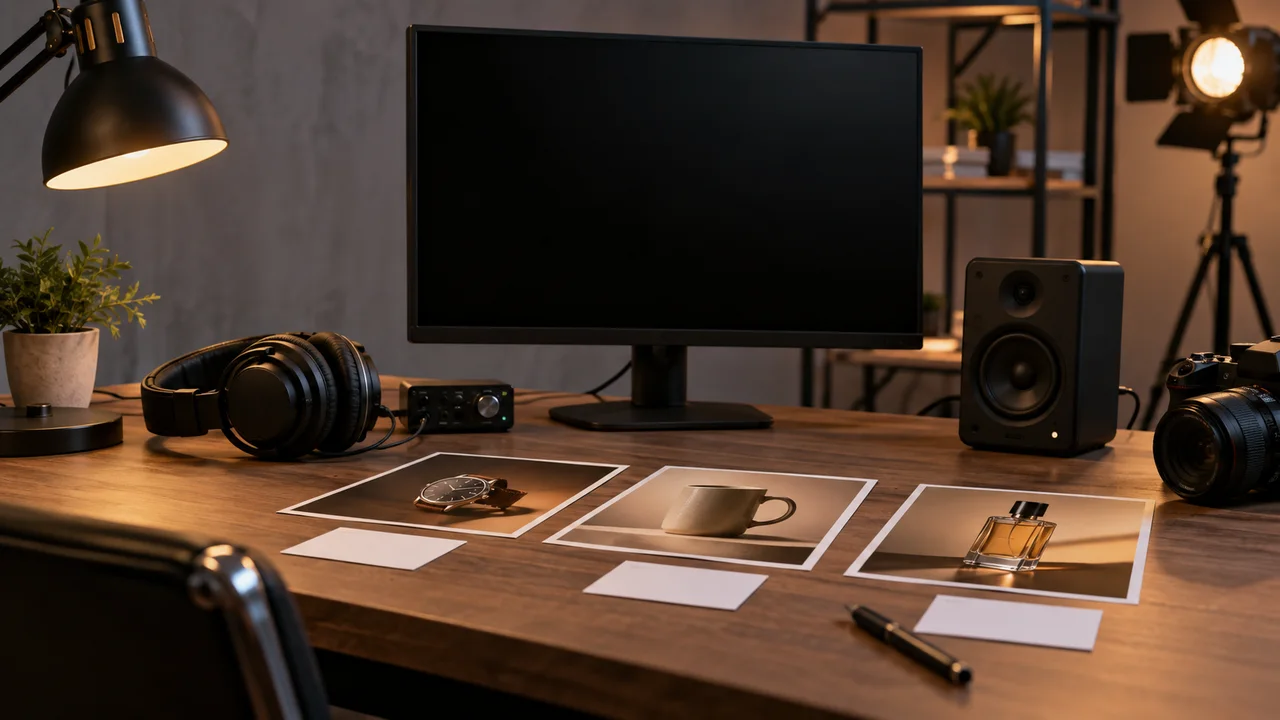
Headphones and product images represent review passes. The dark screen avoids simulating an editing result.
22. Choose a case for the final finish
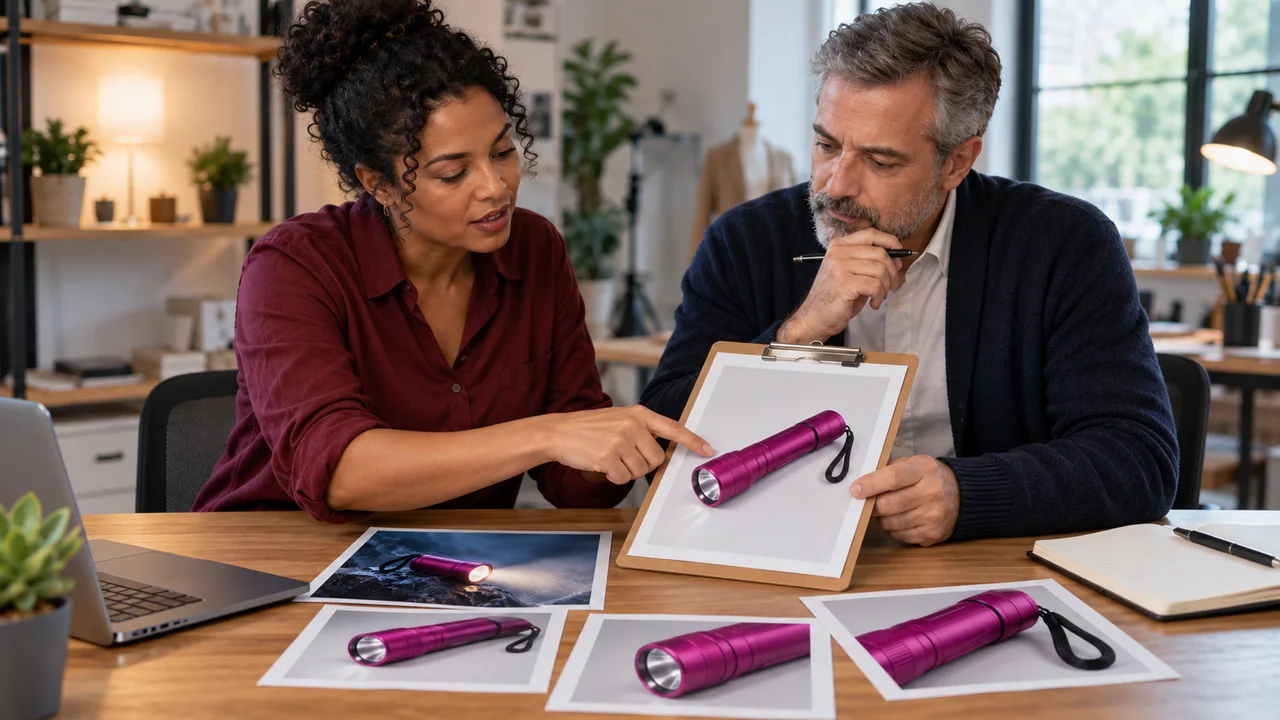
Mila and Paulo review flashlight references before choosing the finish. The scene illustrates a decision, not approval by a real customer.
23. Fix a flaw and compare versions
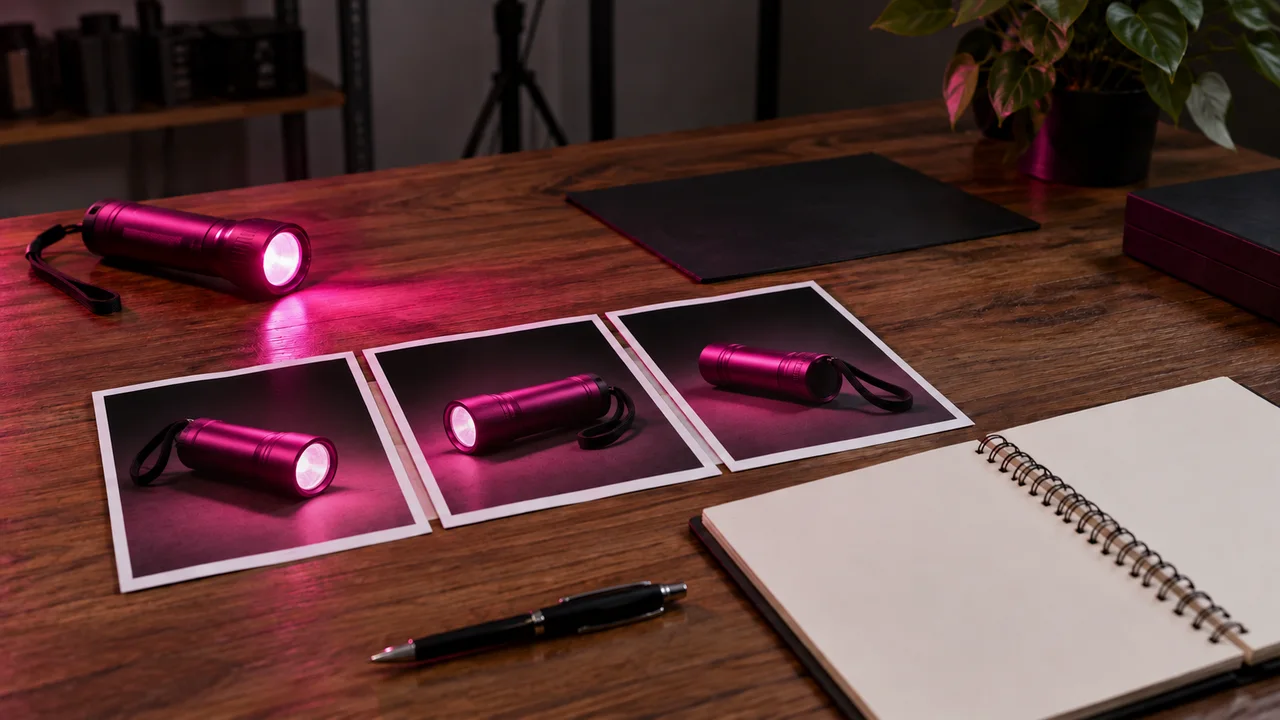
Photos of the same flashlight remind you to compare controlled versions. The exercise requires two actual video versions.
24. Deliver the six studies and one checked final finish
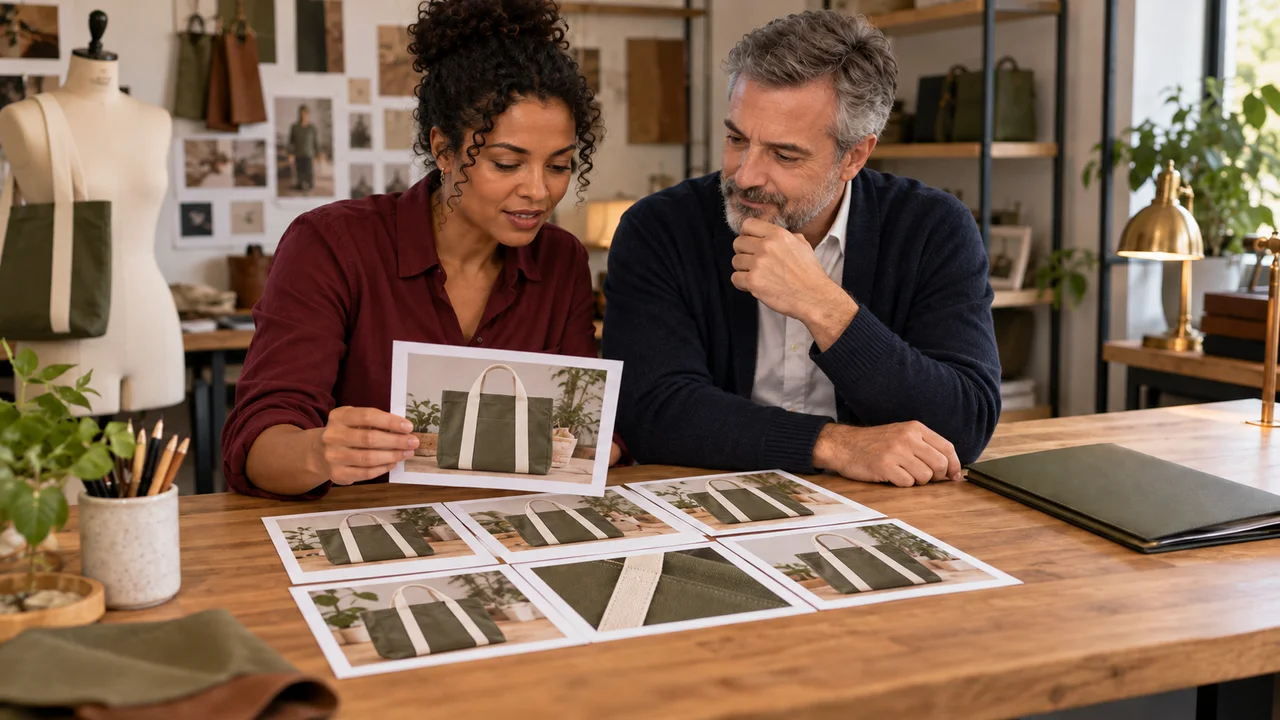
Mila and Paulo review a series of bag images. The photo illustrates an organized delivery; it does not replace the seven required video files.