Free kit · 5 steps

The world will keep stopping. The safe path gets your family through to the other side.

Could you manage three days without electricity, internet, or banking? Extreme weather, cyberattacks, and work transformed by AI are already here. Those who prepare now can get through it calmly.

The safe path: the world will keep stopping, your family can get through it safely
In brief

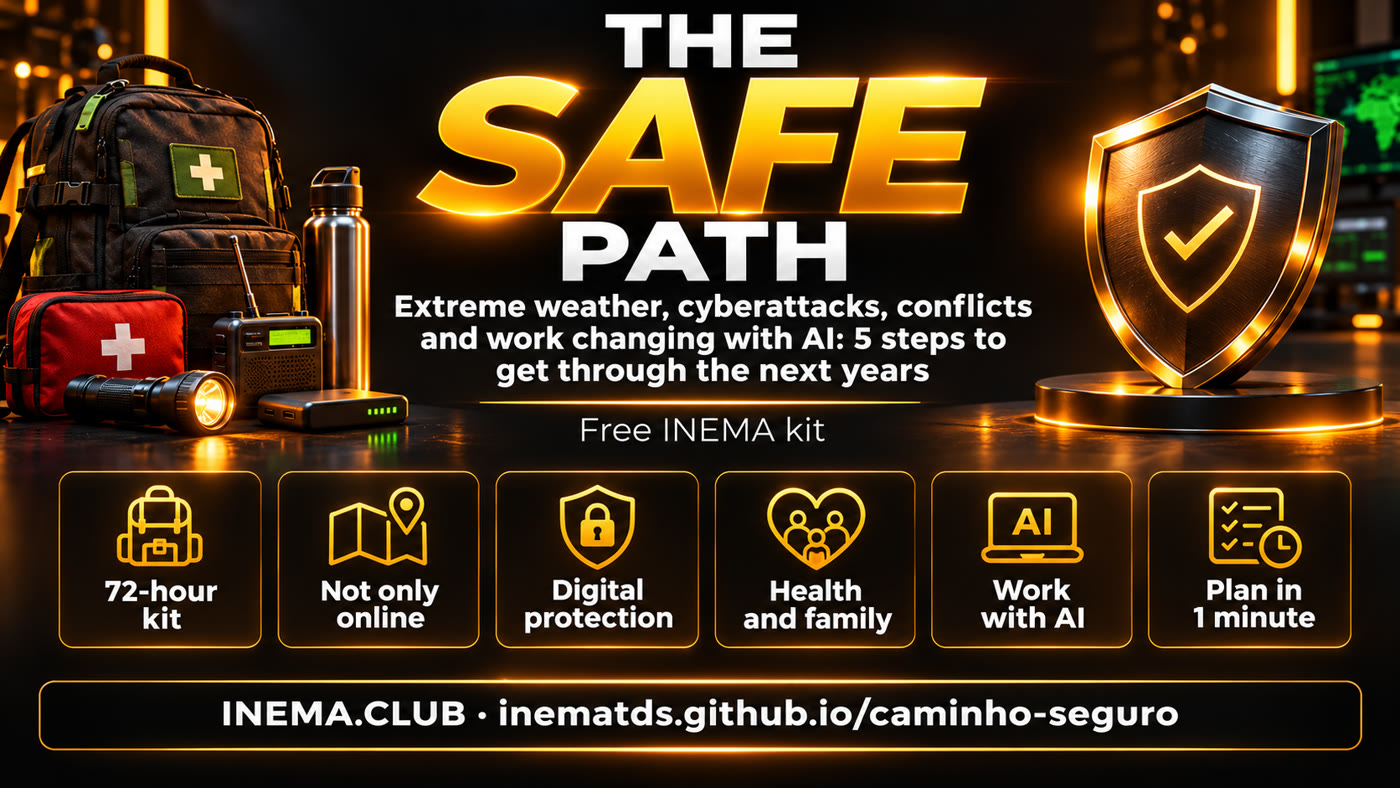
The safe path is a free INEMA guide to help you and your family get through the coming years of instability: floods, tornadoes, and heat during a very strong El Niño; blackouts, attacks on systems and data leaks; and work changing with robots and artificial intelligence. There are 5 simple steps: build a home kit, avoid relying only on online access, protect your accounts, take care of your health and make a family plan, and prepare your work for AI. You don’t need anything to read it. If you want, a small program can put together a plan for your household in one minute.

Note: the plan program and the checklists in the repository are in Portuguese, and some details (emergency numbers 199/193/192, SMS 40199, Registrato, CPF, Pix) apply to Brazil. Outside Brazil, use your country's emergency numbers and civil protection guidance; the amounts (water, food, 72 hours) are the same.

The safe path: a 72-hour kit, offline readiness, digital protection, health and family, work with AI, a plan in 1 minute
Video

Understand in a few minutes

Everything is going to get worse: El Niño, floods, blackouts and attacks on systems. But there is a safe path for you and your family, in 3 steps.

▶ Watch on YouTube · Vertical version (phone)

▶ Next 5 years and work with AI version: video · vertical

▶ Digital security version: video · vertical

Why now

When one system stops, everything stops

In this week alone, November 2026, three warnings that the world will stop more often — and prepared families suffer less.

✈️ Flights stopped in the US

On November 13, 2026, the FAA suspended departures at all airports in the United States because of an air traffic control communications failure (not an attack). Thousands of flights were delayed or canceled. If a failure can stop the world’s wealthiest country, it can happen in your city too. source

💻 Attacks in Brazil

The Port of Santos had its systems knocked offline in an attack (since November 6). Caixa Vida e Previdência exposed data from about 7.6 million customers. The National Treasury exposed 30,000 records and 4,000 Pix keys. The danger now is a scam using your correct name and CPF. Sources: Port · Caixa Vida · Treasury

🌧️ Strong to very strong El Niño

El Niño (a warmer Pacific Ocean that changes rainfall in Brazil) is already underway (declared in June). In its November 12, 2026 bulletin, NOAA, the US weather agency, says it keeps strengthening and that a strong-to-very strong El Niño is likely through March 2027 (more than a 79% chance; in August and September, the chance of it becoming very strong was above 90%) (NOAA bulletin). In Brazil: more rain, storms, and flooding in the South; heat, drought, and fires in the Center-North. Greater risk doesn’t mean disaster is certain, but it’s time to prepare.

🧭 A perspective from someone who monitors the climate

"I’ve worked with technology for 40 years, monitor the climate, have been to Antarctica and the Arctic, and have worked with companies, education, and government. My view is that five very turbulent years lie ahead, almost like a war: climate, attacks, power struggles, factions, and the economy changing with robots and AI. And today I can say: we can get through this difficult period." — Nei Maldaner, INEMA

The path

The 5 steps of the safe path

Do them in order. Each step fits into a weekend. The details and checklists are in the kit (how to use it ↓).

1 · Home→2 · Offline→3 · Digital→4 · Health and people→5 · Work

🏠 1. Home: a 72-hour kit, then 14 days

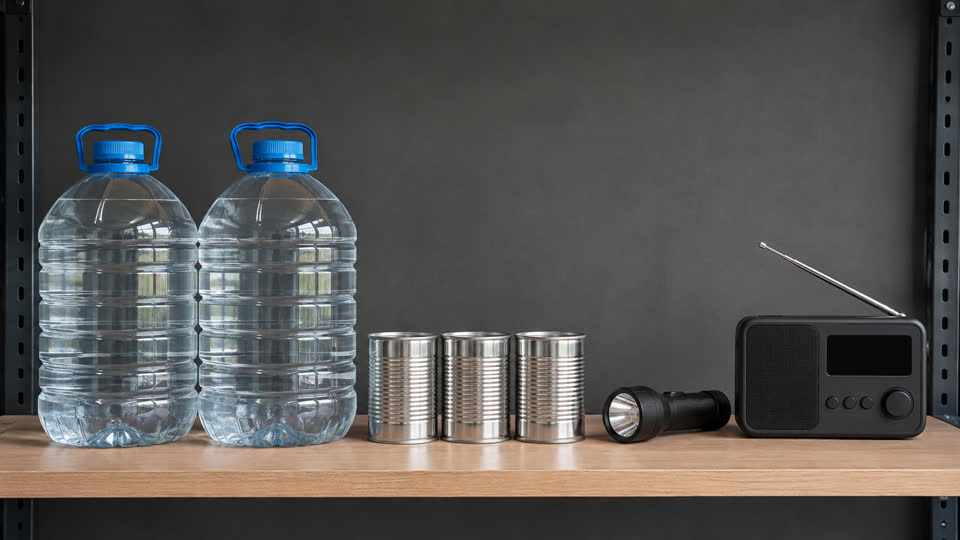
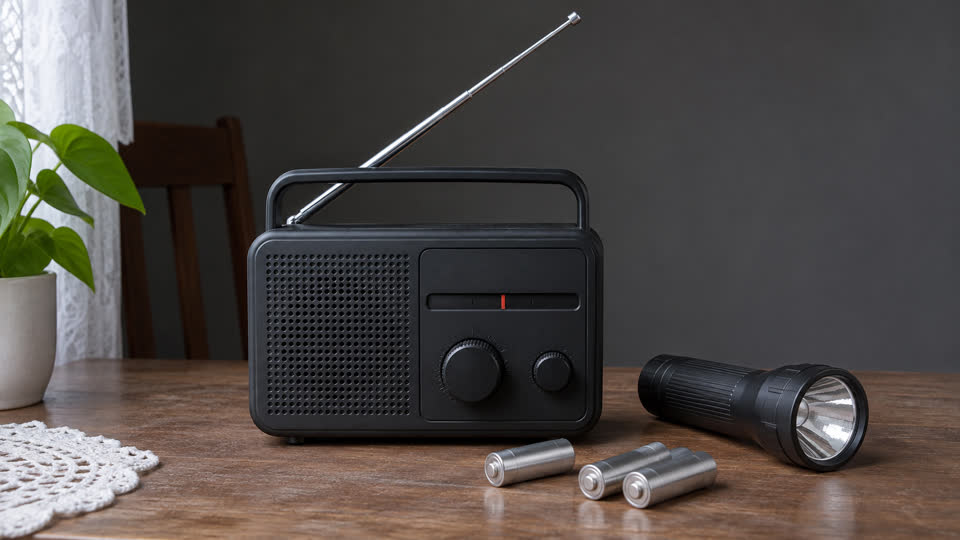
This is what Civil Defense (Brazil) recommends (and the European Union has too, since 2025): 2 liters of water per person per day, nonperishable food, medicine, a flashlight and battery-powered radio, a portable charger, documents in a waterproof bag, and contacts on paper. A family of 4 needs 24 liters of water for 3 days. In the first 72 hours, no one cooks: the food is ready to eat. After that, gradually build up to 14 days’ worth, with a way to cook without power, and review every 6 months. Eating and cooking without power ↓

📴 2. Don’t rely only on online access

If Pix, your banking app, or the internet stops working, how will you buy food? Keep enough cash for a few days of expenses (don’t withdraw your bank savings), contacts, prescriptions, and documents on paper, a map and information saved offline, and 14 days of food already at home. Charged cell phone, AM/FM radio, and never let the gas tank run low: communication and travel ↓ · Library without internet: 3 options ↓

🔐 3. Digital protection

Your data may already have been leaked. Be wary of anyone who knows your name and CPF and asks for personal information, a password, or Pix. Turn on two-step verification (an extra code in addition to your password): for email, use an authenticator app (such as Google Authenticator or Microsoft Authenticator) instead of SMS; for WhatsApp, use “two-step verification” with a 6-digit PIN; for your bank, use the token in its own app. Use a different password for each account. Also check Registrato (a free Central Bank website) for accounts and Pix keys opened under your CPF.

❤️ 4. Health and people

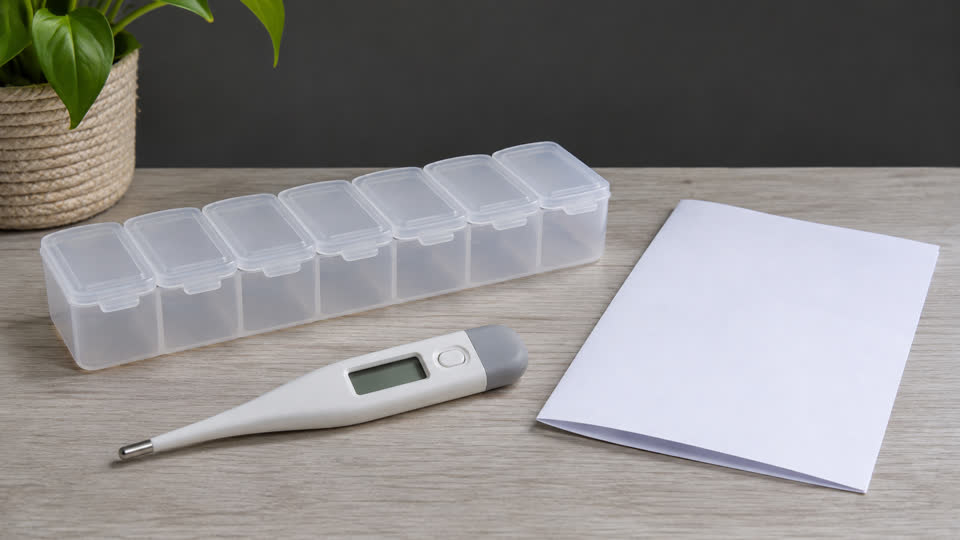
Keep a 14-day supply of prescription medicine and store the prescription. Make a family plan: a meeting place, who picks up the children, a relative outside town everyone can contact, and how to reach each other without internet. Trusted neighbors. And Civil Defense (Brazil) alerts on your phone: text your ZIP code to 40199.

🗺️ Different regions, different risks

The kit includes checklists for floods and landslides, severe winds and tornadoes, heat and fires, long blackouts, digital scams, and supply shortages. Choose the ones for your city, and the plan will include only what matters to you.

Calculator

How much should your household store?

Works on your phone, with nothing to install. It calculates only drinking water (2 liters per person per day, as Civil Defense (Brazil) recommends) and food.

72 hours14 days
Drinking water
Food (72 h: ready to eat, no cooking · 14 days: dry goods, rice, beans, pasta)

The 14-day food supply in kilograms is dry (it needs cooking). Electric or induction stove: replace much of it with ready-to-eat food (cooking without power ↓). Also: prescription medicine, a flashlight and battery-powered radio, documents in a bag, and contacts on paper (199 · 193 · 192). Review every 6 months.

Step 1b

Eating and cooking without power

For the first 72 hours, you don’t cook: the family eats what’s already ready. This saves gas and water and avoids the biggest risk of improvised indoor fires: fire and carbon monoxide (an odorless, colorless gas that can kill). If it lasts more than 3 days, the plan depends on where you live and what kind of stove you have.
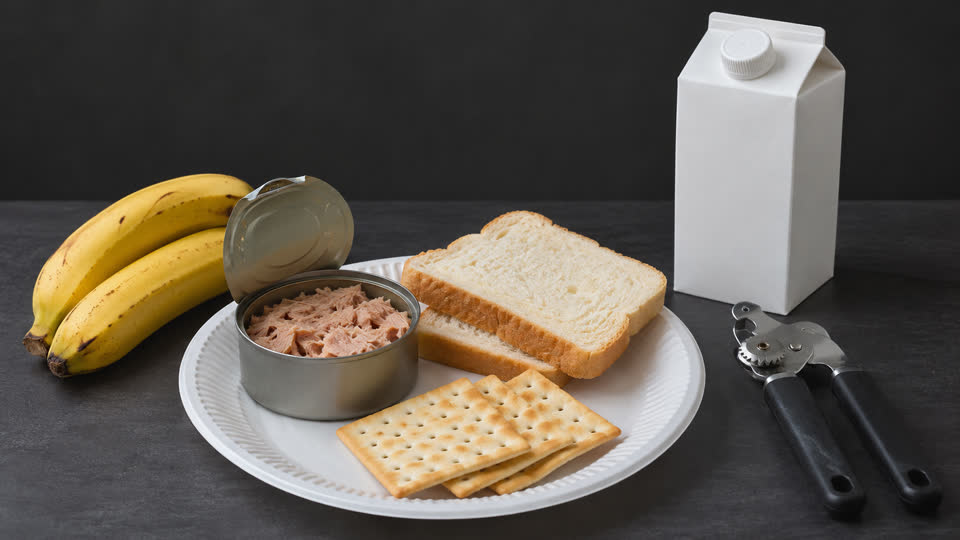
🥫 72 hours: no cooking

Eat the food that spoils first: a closed refrigerator keeps food cold for about 4 hours; a full freezer, about 48 hours (half full, 24). After that, use the pantry: ready-to-eat canned food (tuna, sardines, hot dogs, ready-to-eat beans and chickpeas, corn), sliced bread, crackers, peanut butter, nuts, fruit and dried fruit, shelf-stable or powdered milk, oatmeal made with cold milk, cereal bars. A manual can opener and disposable plates save water for washing.
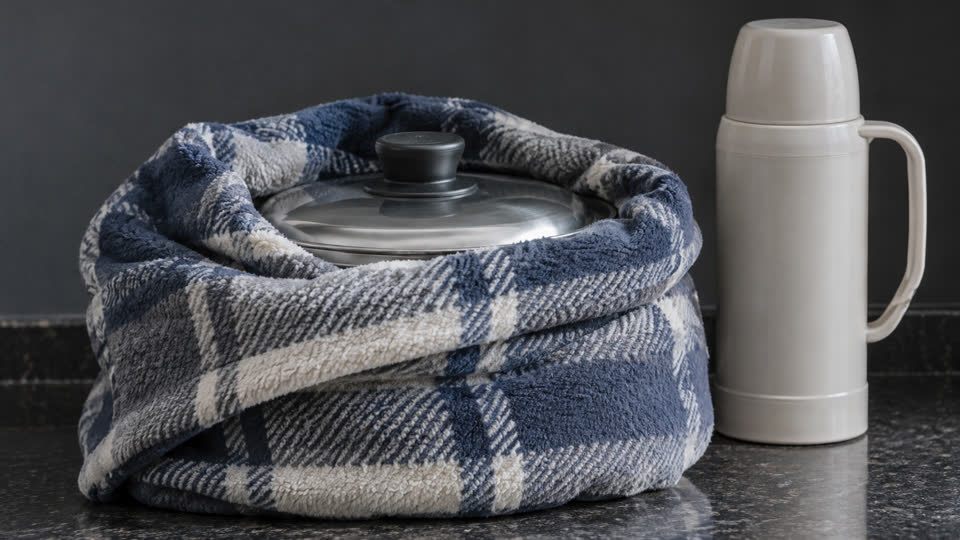
🔥 More than 3 days: useful tricks

Rice, pasta, and beans need heat and extra water to cook (the 2 liters per day are for drinking only). Choose foods that cook quickly (thin pasta, parboiled rice, couscous, oatmeal) and canned beans. Keep the pot covered. Stored heat: bring food to a full boil (rice and pasta for about 5 minutes; soaked beans for at least 10 minutes at a rolling boil, because raw beans can make you sick), turn off the heat, cover the pot, and wrap it in a blanket; it will finish cooking while using much less gas. A thermos filled with boiled water in the morning will last all day.
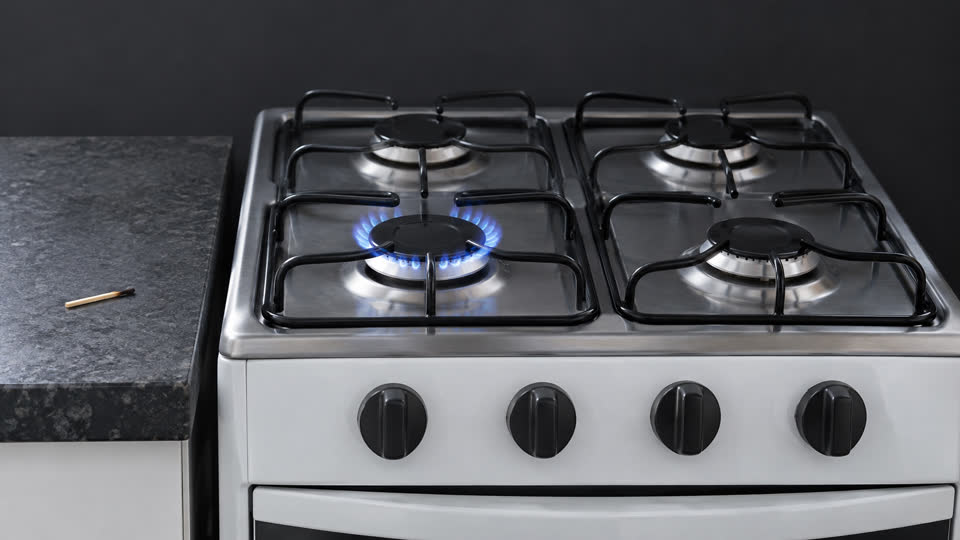
🏠 Home with a gas stove

Gas doesn’t depend on electricity, but the electric igniter won’t work: keep matches or a lighter in your kit and test them today with the stove unplugged. Some stove ovens may not work without power; rely on the burners. A 13 kg gas cylinder lasts 3 weeks to 2 months for a family of 4: note when you replaced it and replace it before it runs out. Piped gas usually keeps flowing without power.
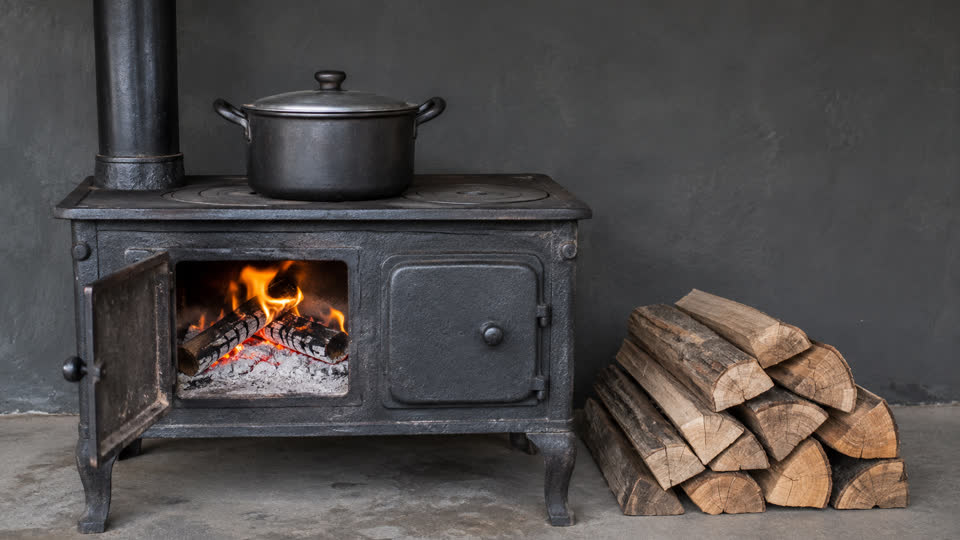
🌳 Rural home or home with a yard: firewood

A wood-burning stove with a chimney is the best plan for weeks. Without one, use a stove made from three or four bricks outdoors, away from the house, dry brush, and children. Store dry, cut, covered firewood away from the wall, with kindling to start the fire: green wood produces smoke and little heat. During the dry season, follow the burn ban and keep a bucket of water nearby. On a sunny day, a solar cooker can cook without smoke.
🏢 Apartment

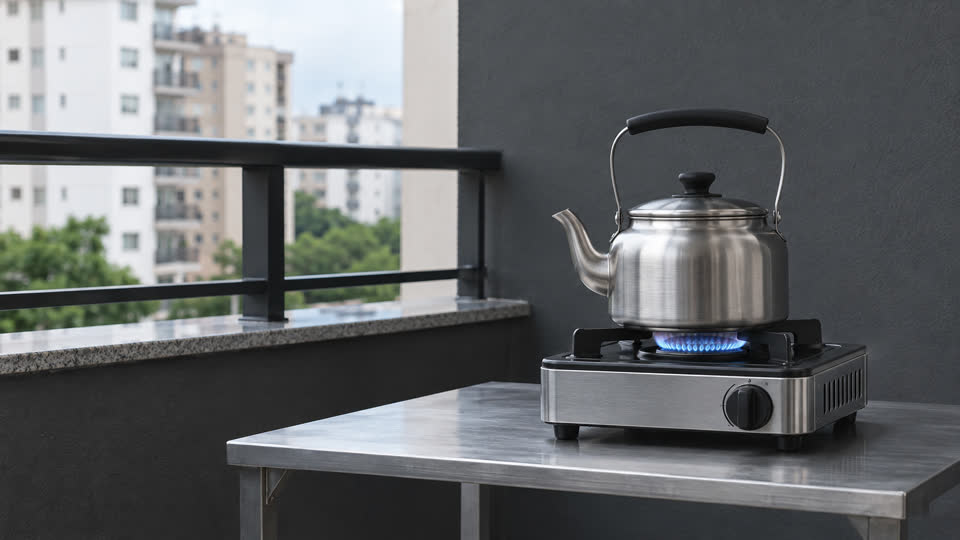
Never use firewood, charcoal, a grill, or a campfire in the apartment, on the deck, or on the balcony. Gas cylinders are prohibited in many buildings (in São Paulo and Rio, in buildings with piped gas): check your building’s rules and don’t keep a spare cylinder at home. Piped gas: do the match test (during a flood, the building may shut off the gas). Electric or induction stoves won’t cook without power; plan to replace much of your 14-day supply with ready-to-eat food and keep a portable butane stove, used only on an open balcony if the building allows it (each canister provides 1 to 2 hours of flame; a closed, glass-enclosed balcony doesn’t count). It’s the only exception because the flame is small, turns on and off instantly, and leaves no embers. If the building doesn’t allow it, the plan is to stick to ready-to-eat food and get hot water from a neighbor who has gas. Make an arrangement with your neighbors: those with gas can heat water for those without it.
⚠️ Never, in any home

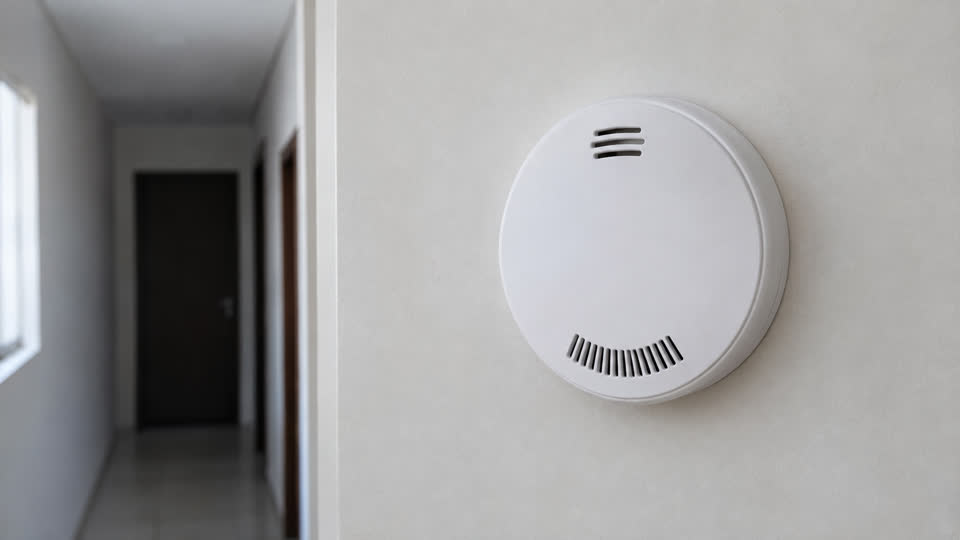
Never use a grill, charcoal stove, brazier, or generator indoors, in an enclosed garage, or near a window; never leave a stove or oven on for heat. If several people have a headache, nausea, or dizziness at the same time, get outdoors and call 193. If you smell gas: open the windows, shut off the valve, don’t touch any switches, leave, and call 193. Butane stoves also produce carbon monoxide: use them only outdoors or on an open balcony, never in an enclosed room. An inexpensive battery-powered carbon monoxide detector can protect your family.
The full checklist, organized by home and stove type: eating and cooking without power (in Portuguese). Refrigerator and freezer times: U.S. food safety agency (USDA). This does not replace guidance from the Fire Department and Civil Defense.

Steps 2b and 2c

When your phone stops working: how to communicate and travel

If the power goes out, your phone may go silent within a few hours. Without power, cell towers can run on battery for a few hours before they may stop working; internet access goes with them, as it did during the floods in Rio Grande do Sul in 2024. And without power, gas station pumps don't work either. The plan: keep your phone charged, have an AM/FM radio to hear alerts, a radio to communicate, and never let your tank run low.

🔋 Keep your phone charged: at least one full charge

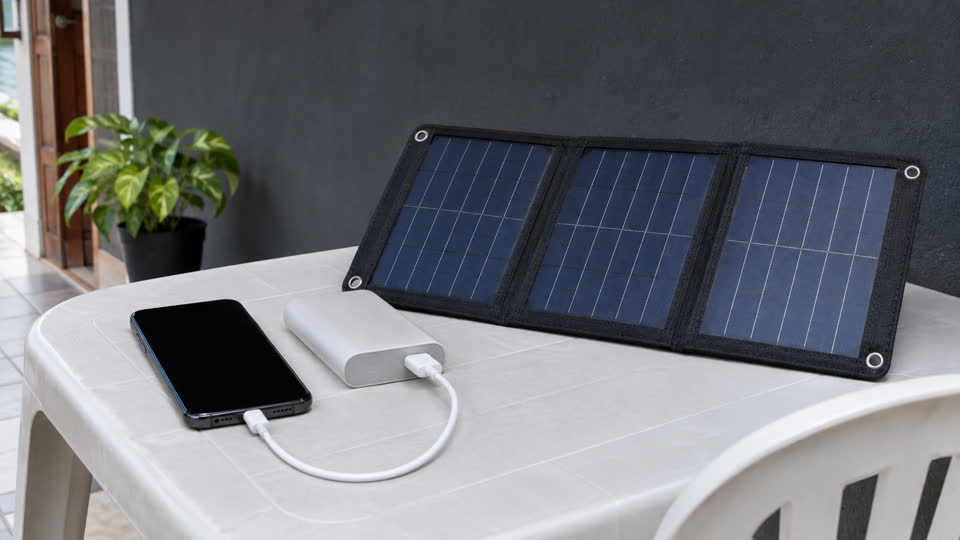
Keep a portable battery fully charged (10,000 mAh provides about 1 to 2 charges; recharge it every month). Use a USB car charger with the engine running and the car outdoors, never in a closed garage. For longer outages, use a small solar panel with a USB output. From the first hour: use battery saver, turn off mobile data, and keep your phone on only at times agreed on with your family. Text messages can get through when the internet can't, and 190, 192, 193, and 199 work without phone credit. If you don't have a device: agree on a meeting place and time, and choose a relative outside the city whom everyone will contact.

📻 Listen: battery-powered AM/FM radio

Without internet or TV, radio is how alerts reach you: shelters, flooded streets, and where to find water. Use a battery-powered or hand-crank radio, keep spare batteries outside the radio, and write down local stations' frequencies on paper. AM reaches farther, especially at night. Your car radio also works for a short time with the engine off.

📟 Communicate: no license required

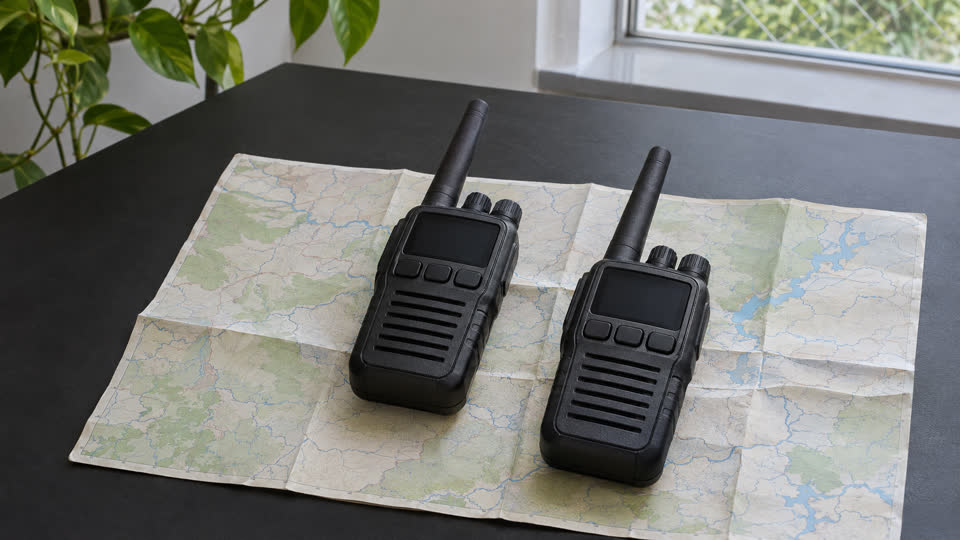
License-free walkie-talkies, approved by Anatel: no license is required; they reach from hundreds of meters to a few kilometers (the box may promise more). They're useful for family around the neighborhood, at a country home, or in an apartment building: agree on a channel and schedule. Citizens Band (PX), the truckers' radio: it reaches farther and only requires free registration with Anatel and an approved radio (an older PX radio works if it's approved).

📡 Amateur radio: the full setup

Communicate with another city, state, or country without relying on any network. During the 2024 floods in RS, volunteer amateur radio operators relayed thousands of emergency calls. A license is required: pass an Anatel exam for the COER (an online exam is available; the entry-level class is C, with a 51% score required in each section), get a free certificate, then get a station license, which has a government fee. The easiest route is through your state's LABRE or an amateur radio club. Never transmit on police, fire department, SAMU, or aviation frequencies: it's a crime and interferes with rescue efforts.

⛽ Never let your tank run low

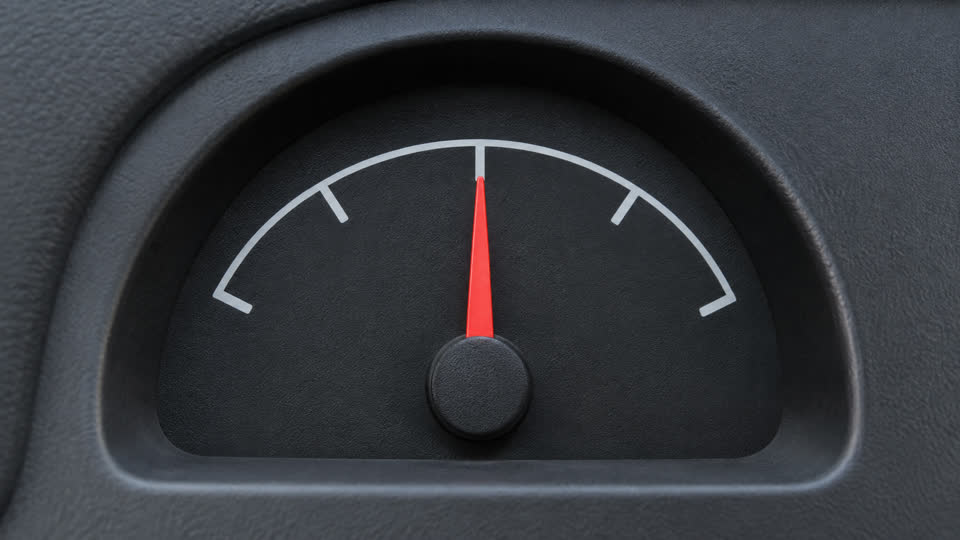
The habit that solves almost everything: when you're halfway, fill up. It doesn't cost extra; you just fill up sooner. During the 2018 truckers' strike, fuel ran short across much of the country within a few days. Electric car: keep the battery above half. Store fuel only at home or at a country home, in small amounts, in an Inmetro-certified container, outside the house, and rotate it every few months; never store it in an apartment.

🗺️ Routes, car kit, and getting around without a car

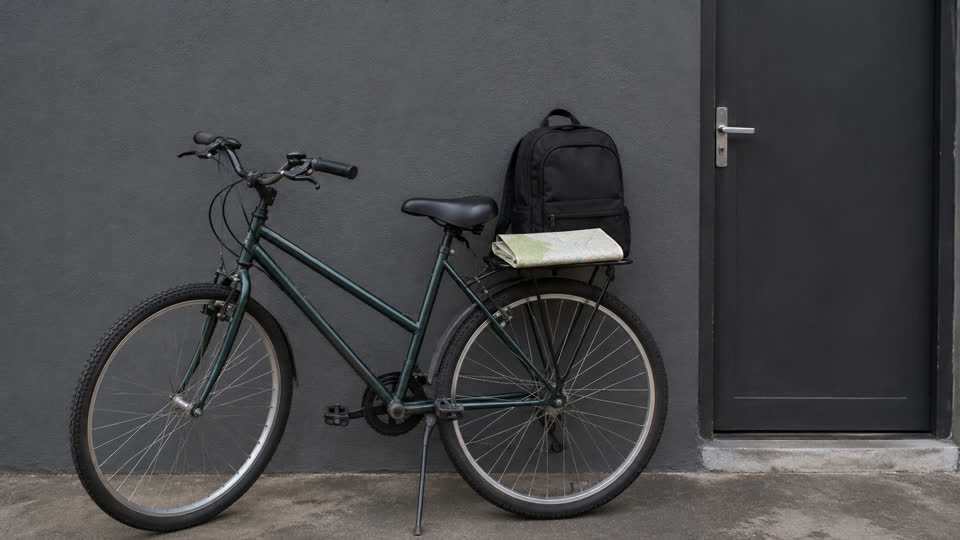
Plan two routes to your meeting place and to a relative outside the city, including one without bridges or flood-prone streets, and know how to get there on foot. Never cross floodwater: 30 cm of flowing water can sweep a car away. In the car: water, light food, a flashlight, a charger, a paper or offline map, a blanket, and first aid supplies. Without a car: keep your bicycle tires inflated and arrange a ride with a neighbor. In an apartment building, the elevator stops during a power outage: agree on who will help older residents.

Full checklists: communicating when the system goes down (in Portuguese) and travel (in Portuguese). Radio rules: Anatel (in Portuguese), checked on 11/14/2026.

No internet

The family library without internet: choose 1 of 3

If the internet goes down for days, the family can still access Wikipedia, first aid, maps, and even an AI. Choose only the option for the device you have. Download everything today, over Wi-Fi.

▶ Watch on YouTube · Vertical version (phone) · video in Portuguese

📱 1. Just a phone

Kiwix app (Android and iPhone) with the "mini" Portuguese Wikipedia (1.6 GB) and basic medicine in English (166 MB). Maps of your state in Organic Maps. A small AI that, once downloaded, answers without internet. Step-by-step guide

💻 2. Basic computer

Kiwix Desktop (Windows, Linux, and Mac) with the complete Portuguese Wikipedia, without photos (6.6 GB). If you want, a small AI that runs on the processor without a graphics card (slowly). Step-by-step guide

🖥️ 3. Powerful computer: Project NOMAD

Open project by Crosstalk Solutions: in a browser dashboard, Wikipedia, Khan Academy courses for each person in the household, maps, and an AI that reads your documents. Requires Linux and, for AI, 32 GB of memory and an NVIDIA graphics card. Guide · video

AI can be wrong: check medication doses and health decisions with a professional. Sizes checked on November 13, 2026 (they change with each release).

Ready-to-use guides

The best free official guides

We researched the guides already available online. We included only free guides from governments or reputable organizations, with links checked on 11/14/2026. There is no single guide in Portuguese that covers everything; this guide brings together the essentials for Brazil. Download the PDFs today and save them in your offline library.

⏱️ 72 hours

Civil Defense (Brazil): official guidance on the 72-hour kit, summarized in Step 1 of this guide; to write your family plan in Portuguese, see the Plano de Contingência da Família (in Portuguese) (UFF Civil Defense, PDF). 72 hours (Finland, 2025, in English): the best-made 72-hour guide, concise and organized by topic. Your Emergency Preparedness Guide (Canada, in English): a family plan with fill-in worksheets.

📦 10 days to a month

BBK (Germany, in German; use your browser’s translator): the official 10-day goal, with a food list by weight. In case of crisis or war (Sweden, 2024, multiple languages): food, water, heat, cyberattacks, and neighbors. Are You Ready? (U.S., in English): the most comprehensive guide, with one chapter per disaster; the kit and food guidance for power outages are also available in Spanish at Ready.gov. If you don’t read English or German, start with Ready.gov in Spanish and use your browser’s translator for BBK.

🩺 More than a month

No government publishes a guide for more than a month: official guides cover up to 10 to 14 days. For longer periods, the same approach applies at a larger scale: multiply the BBK list, rotate your supplies, have a way to cook that won’t run out (firewood, gas), and keep water for boiling. What changes is staying healthy without a doctor: Hesperian health books in English, from the organization behind Where There Is No Doctor: health and first aid for when a doctor can’t get there.

The list with the reasons for each choice: MANUAIS.md (in Portuguese).

Step 5

Get through to the other side with a job

Robots and artificial intelligence will take over a large part of the work. Companies that don’t prepare will have to change or fail. Those who prepare will change roles; those who wait will be laid off.

📏 Find out your AI level

The kit’s free nivel-ia certificate shows how much of your work AI already does, on a 5-step scale: from AL1 (you do it alone) to AL5 (AI does it alone, with rules and alerts). If you only use ChatGPT in a browser, use the paper form. It’s a measurement, not a diploma.

📈 Evidence from someone who measured

Nei measured his own work over 90 days: on average over the period, 48.9% was already handled by AI; week by week, it rose from 11% (late August) to 61% (the last week). This is a measurement of his machine, not a national statistic — but it shows how quickly things are changing.

🎓 Learn for free

Write down your field and three tasks you do every week. Choose one for AI to do with you this month. Open courses, projects, and videos at inema.club, directly on the internet.

💬 What about you?

What field do you work in, and what are you already doing to prepare? Share with the inema.club community.

Technical section

The kit: for anyone who wants a ready-made household plan

The technical section starts here: download the kit and run a simple program that puts together your plan. You don’t need this section to understand and follow what’s above.

What it is

A plan for your home in one minute

The kit is a folder with the 5 steps in checklist form and a Python program that does the calculations for you. It works offline: nothing leaves your computer.

🧮 The right calculations

Water (2 L per person per day) and food (2,000 kcal per person per day) for 72 hours and 14 days, in 5 L jugs; ready-to-eat food for the first 72 hours and kilograms of dry food for 14 days. And your household’s way to cook without power (house, rural property, or apartment; gas cylinder, piped gas, electric, or wood).

🗺️ Only your risks

Choose floods, severe winds, heat, blackouts, digital risks, or conflict; the plan includes the checklist for each. Children, older adults, pets, and medicine are included if you say they apply.

📌 Fridge sheet

Civil Defense (Brazil) 199, Fire Department 193, SAMU 192, meeting place and who picks up the children, plus the date of the next review (6 months).

Requirements

What you need

Only Python 3.9 or newer (already included on Linux and Mac; on Windows, install it from python.org and use py instead of python3 in the commands). No extra libraries.

Check Python

Open a terminal and run:

python3 --version  # Python 3.9 ou mais

No terminal?

Use the calculator on this page and follow the checklists in the passos/ folder on GitHub by hand.

User guide

Step by step

From scratch to a plan posted on the fridge.

1

Download the kit

Using git, or the “Code → Download ZIP” button on GitHub.

git clone https://github.com/inematds/caminho-seguro
cd caminho-seguro
2

Answer the questions

How many people, children, older adults, pets, whether anyone takes regular medication, and the risks in your region, where you live and what kind of stove you have. Press Enter to accept the default.

python3 caminho.py  # grava meu-plano.md
3

Or enter everything at once

Possible risks: enchente, vendaval, calor, apagao, digital, conflito. Housing: casa, sitio, apartamento. Stove: botijao, encanado, eletrico (or inducao), lenha.

python3 caminho.py --nome "Família Silva" --pessoas 4 --criancas 1 --remedios --riscos enchente,apagao,digital --moradia apartamento --fogao inducao --saida meu-plano.md
# ok: meu-plano.md — 72 h: 24 L de água; revise em 6 meses
python3 caminho.py --listar-riscos
4

Print and check off

Open meu-plano.md (in any text editor), print it, put the fridge sheet on the fridge, and check off the items as you go. Details for each step are in passos/1-casa-72h.md to passos/5-trabalho-ia.md; cooking without power in passos/1b-cozinhar-sem-luz.md and the ready-made guides in MANUAIS.md.

5

Review every 6 months

The plan includes the date. Run it again if your family changes. For anyone working with the code, the tests are:

python3 -m venv .venv && . .venv/bin/activate && pip install pytest  # só para os testes
python3 -m pytest -q tests  # 26 passed
Example

A family of 4

Generated with --pessoas 4 --criancas 1 --idosos 1 --pets 1 --remedios --riscos enchente,apagao,digital --moradia casa --fogao botijao (file exemplo/meu-plano-exemplo.md).

72 hours (minimum)14 days (target)
Drinking water24 L (5 jugs of 5 L)112 L (23 jugs of 5 L)
Food~24,000 kcal of ready-to-eat food, no cooking~112,000 kcal (≈ 32 kg of dry food that needs to be cooked over a fire)

Also: the child’s diapers and milk, the older adult’s glasses and medicine, pet food, prescriptions in the kit, and the flood, blackout, and digital scam checklists.

Related kits

Go further

The safe path brings together what other free INEMA kits already do.

Offline
sobreviver-iaWikipedia and AI on your computer, offline; account audit; a 90-day plan.
NOMAD
project-nomadProject NOMAD: an offline knowledge server for a powerful computer (Wikipedia, courses, maps and AI).
Work
nivel-iaYour AI level certificate (AL1 to AL5), with projections for 1, 3, and 6 months.
Climate
INEMA extreme weather channelHow to protect yourself from tornadoes, floods, and heat, on INEMA’s extreme weather channel.

This does not replace guidance from your local civil protection authority. This is not financial or medical advice.