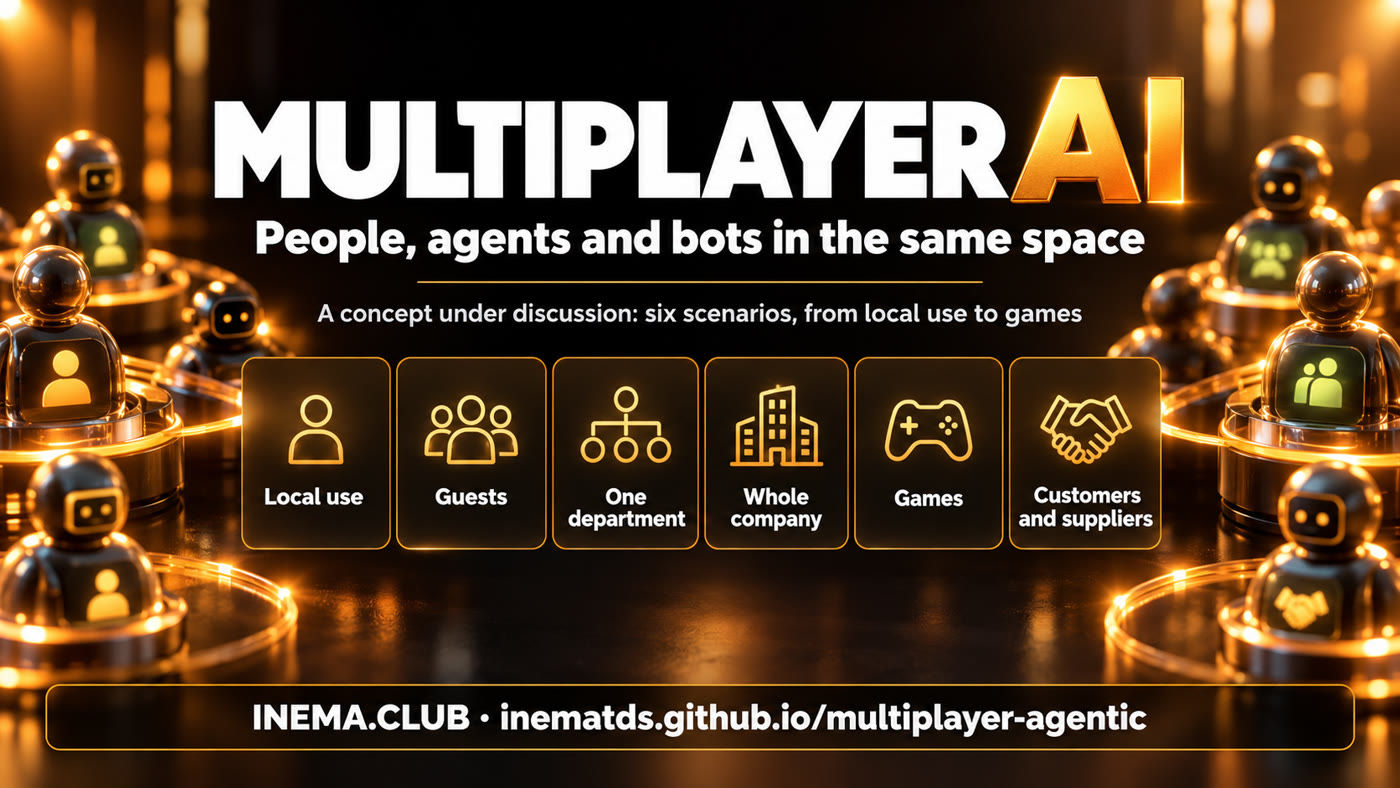
Concept under discussion
From solo AI to multiplayer AI
People, AI agents and bots working in the same space, seeing what arrives and talking to each other.
People, AI agents and bots working in the same space, seeing what arrives and talking to each other.
This is a concept document, not a finished program. It discusses what a system would look like in which people, AI agents (such as Claude Code and Codex) and Telegram bots share the same channels, like a team chat. Today each person uses AI alone; the idea is for the whole team, humans and agents, to work together and see everything that is happening. It is for anyone who wants to think through this model for personal use, for companies or for games. Just read: each page brings possibilities, risks and the sources consulted.
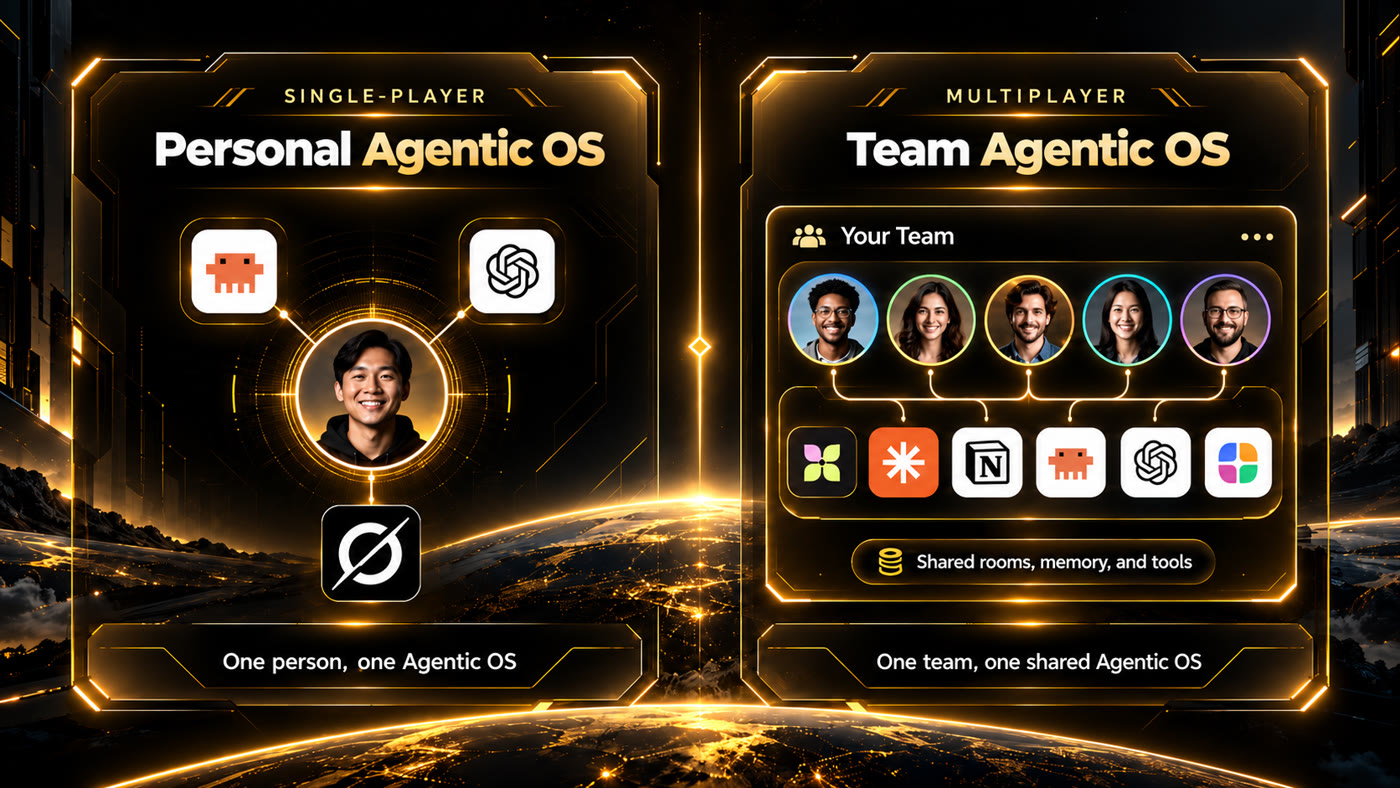
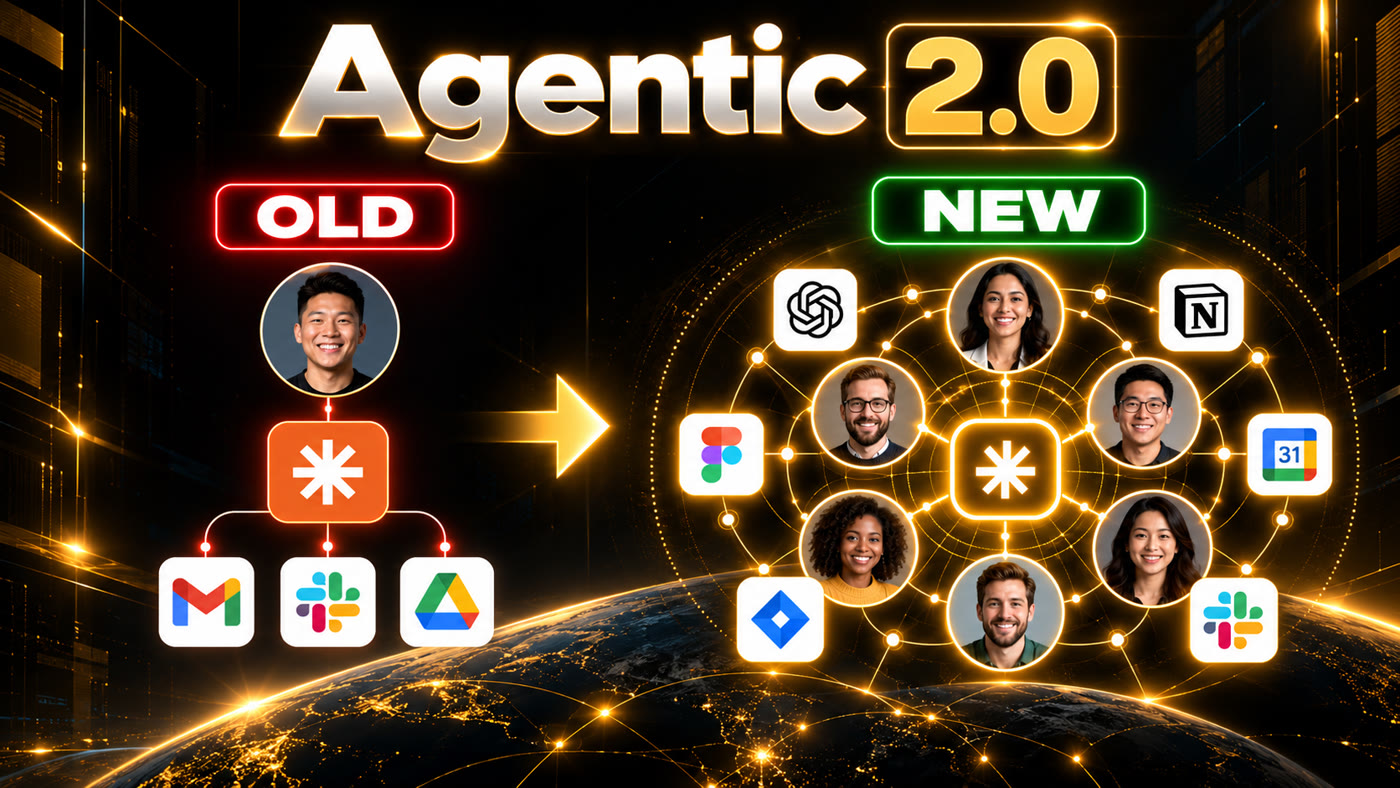
Until now, each person has their own isolated AI assistant. In the multiplayer model, people and agents from several owners become members of the same space.
Humans and agents are members, each with their own profile. Three people can talk to the same agent at the same time.
One agent asks another for help and they solve it together, with the human approving what goes outside.
Messages from Telegram, agents, queues and people arrive on a single screen, in real time.
Four forms under discussion, from the simplest to the most complete.
See the pros and cons of each form → · Possible technical bases →
From smallest to largest in people, risk and cost. Each scenario has a page with who takes part, a typical day, variations and risks.
You and your agents. A panel where everything the bots, agents and queues do arrives.
Open →Partners and collaborators talk to their agents, without being able to give them orders.
Open →Supervised support and agent negotiating with agent, with human approval.
Open →The more people and agents in the same space, the more safeguards become mandatory.
Turn cap between agents, budget per room, subscription quota, schedule and availability.
Open →Profiles of people and agents, intelligence levels and archetypes: leader, council, game master, NPC.
Open →Read in order or skip to what interests you.
Where it came from and the single-player × multiplayer thesis.
Observe, talk, full or by layers.
Buzz, Matrix, Zulip, building our own and others.
Identity, cost, memory, privacy, noise.
Uses and counterpoints.
Formats and what the sources say about limits.
What already exists and three possible readings.
The 17 sources consulted, numbered.
Nothing here is decided. These are the questions that guide the next step.